High-Tech Dairy Farming

High-Tech Dairy Farming

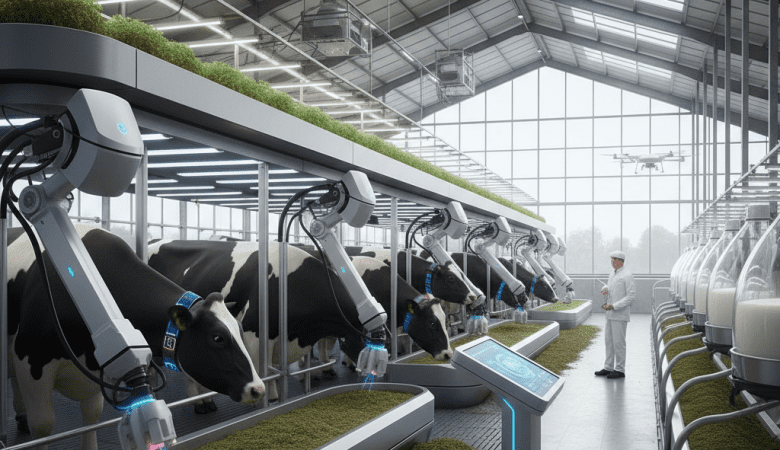
Introduction High-tech dairy farming is transforming traditional livestock practices into a modern, efficient, and highly productive industry. With advancements like automatic milking machines, smart feed mixers, animal grooming systems, and waste management technology, modern dairy farms ensure better cow comfort, hygiene, and milk yield. These innovative machines and systems not only save labor but also enhance the overall efficiency of the farm. In this blog, we’ll explore how smart dairy farming infrastructure, advanced dairy farm machines, and precise feed and water management are shaping the future of milk production while maintaining the perfect balance of technology and animal welfare. High-Tech Dairy Infrastructure High-Tech Dairy Infrastructure ensures modern sheds, automated milking, and smart management that improve cow comfort, hygiene, and milk yield. Automatic Milking Machines One of the most impressive advancements in dairy farming is the automatic milking machine. Designed for cows and buffaloes, this machine simplifies the milking process while ensuring hygiene and animal comfort. The machine carefully secures the animal in a bracket. Soft brushes vibrate to clean the teats thoroughly, preparing them for milking. Using laser technology, the suction cups automatically attach to the teats, and milk flows directly into a storage tank through pipes. Farmers can set a milk limit, and the machine stops automatically once the limit is reached. This not only reduces manual labor but also ensures consistent milk quality and quantity. Automatic Feed Mixers Feeding animals is another area where technology has made life easier. Automatic feed mixers collect feed from piles, mix it with essential minerals, and deliver it directly to the animals. Ensures proper nutrition for higher milk production. Mixes feed thoroughly before distributing it in front of the animals. Prevents feed wastage and ensures every animal gets its share. This type of machine is crucial for large farms where managing nutrition manually would be time-consuming and inefficient. Animal Grooming Machines Animal hygiene and grooming are essential for healthy livestock. Various machines cater to this need: Hair Cleaning Machines Used primarily for cows and buffaloes, these machines: Secure the animal safely. Clean the body and remove excess hair. Collected hair is processed into wool or other products. Automatic Brushing Machines These brushes provide a gentle massage for cows, improving blood circulation and relaxation. Animals voluntarily use the brush to massage themselves. Promotes healthy skin and increases milk yield. Cleaning and Waste Management Machines Large-scale dairy farms generate a significant amount of waste. Farming scrapers and hydraulic cleaners efficiently remove manure without harming the animals. This saves labor and maintains farm hygiene. One of the most impressive aspects of this farm is its sustainable waste recycling system: Cow dung separation: Machines separate solid and liquid waste. Vermicompost production: Solid dung is converted into compost, sold at ₹7/kg. Cow urine utilization: Liquid waste is used for organic farming and horticulture. Clean environment: Regular waste removal prevents odor and disease. Feed Handling and Storage Efficient feed management is key to livestock productivity. Several machines assist in this process: Bale Wrapping Machines: Preserve grass bundles by wrapping them in plastic to prevent spoilage from rain or sunlight. Feeder Machines: Open grass bales and evenly distribute feed to animals. Remote-Control Feed Pushers: Gather scattered feed and place it within the animals’ reach without disturbing them. Calf Feeding Machines (Futura Mirch Express) Designed for young calves: Dispense milk mixed with essential minerals for growth. Encourage healthy feeding habits. Reduce the risk of malnutrition or early weakness in calves. Machinery and Tools Farms in New Zealand are highly mechanized. Some of the key equipment include: Utility Bikes (Mini-tractors) – used to move around the farm quickly, pull small trolleys, or operate grass-measuring devices. Grass Measuring Device – calculates pasture height and quantity, helping farmers plan cattle feed. Feed Silos – large storage units that hold and dispense cattle feed. Calf Feeders – specialized containers with multiple nipples, allowing calves to drink milk simultaneously. Spraying Systems – contract-based, where companies handle crop spraying with precision, ensuring safety and efficiency. Water and Irrigation System Water management is crucial on a dairy farm. Here, a pivot irrigation system is installed across fields. These rotating sprinklers: Provide uniform rainfall-like irrigation. Operate on timers to distribute water evenly. Maintain soil moisture essential for grass growth. Animal Health and Care The farm has a dedicated section for animal healthcare, often referred to as the farm hospital. Here: Injured cows are treated. Hooves are cleaned. Vaccinations and injections are administered. Cows are monitored with sensors and tagging systems. If a cow shows signs of illness, it is automatically separated through drafting gates for inspection and treatment. Weather and Living Conditions One of the most fascinating aspects is that cows stay outdoors year-round—even during winters when temperatures drop as low as -8°C. With their natural resilience and proper feed, they continue grazing and producing milk without issues. What is high-tech dairy farming? High-tech dairy farming uses modern machines like automatic milking systems, feed mixers, grooming machines, and waste management tools to improve milk yield, animal comfort, and farm efficiency. How do automatic milking machines work? Automatic milking machines use sensors, lasers, and suction cups to milk cows hygienically. They clean teats, attach automatically, and stop once the milk limit is reached. What are the benefits of automatic feed mixers in dairy farms? Automatic feed mixers ensure balanced nutrition, prevent feed wastage, and save time by evenly mixing and distributing minerals and fodder to all animals. How is waste managed in modern dairy farms? Advanced dairy farms use scrapers, hydraulic cleaners, and recycling systems to separate cow dung and urine. Solid waste is turned into vermicompost, and liquid waste is used in organic farming. Do high-tech dairy farms improve milk production? Yes, modern machines like automatic milking systems, feed mixers, and grooming tools improve cow comfort, hygiene, and nutrition, which directly boosts milk yield and quality. What role does technology play in animal healthcare on dairy farms? Smart farms use sensors and tagging systems to monitor cows’ health. If an animal shows signs of illness, drafting gates
Dairy Farm Business Complete Guide

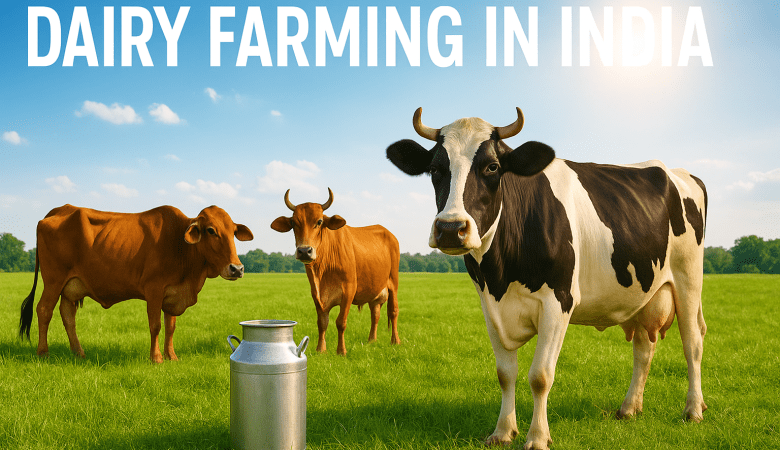
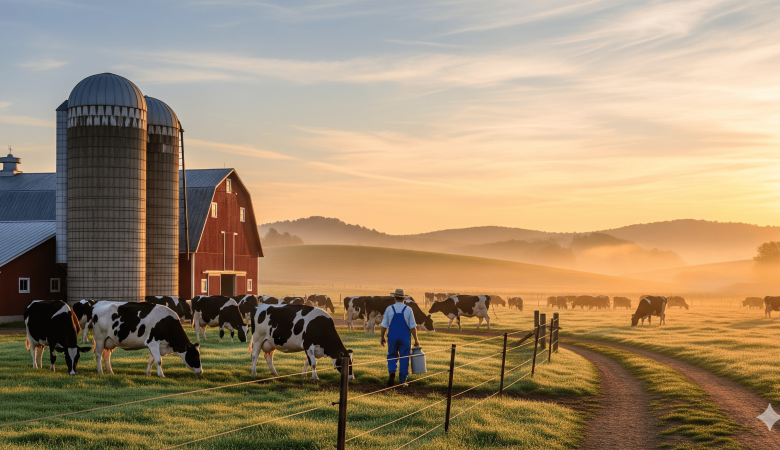
What is Dairy Farm Business? Dairy farming has been one of the oldest and most profitable agricultural practices across the world. With the increasing demand for milk and milk products, the dairy farm business has transformed into a highly structured industry. From small-scale traditional farming to large commercial enterprises, dairy farming provides employment, nutrition, and economic growth opportunities globally. The dairy farm business involves breeding and raising cattle, buffaloes, goats, or other milk-yielding animals to produce milk and milk-based products. It is not just about milking cows; it is a combination of animal husbandry, feeding management, veterinary care, processing, and marketing of dairy products. Globally, dairy farming contributes significantly to the agricultural sector. Countrie like India, the USA, China, and Brazil are among the leading milk producers. The demand for dairy products such as milk, curd, butter, cheese, and yogurt continues to rise, making dairy farming a highly profitable venture. How to Start Dairy Business in India? India is one of the largest producers and consumers of milk in the world.The dairy industry in India is not only vital to the economy but also provides employment and livelihood to millions of rural families.With rising demand for milk, cheese, paneer, butter, and other dairy products, starting a dairy farming business in India can be highly profitable if executed with proper planning and management. India’s dairy industry plays a major role in boosting the nation’s agricultural economy. According to government reports, India produces over 220 million metric tons of milk annually, making it the world’s largest milk producer. Growing population, rapid urban growth, and rising preference for protein-rich foods have fueled the expansion of the dairy sector. Is Dairy Business Profitable? So, is dairy business profitable? Absolutely yes, provided it is managed with proper planning, modern techniques, and a customer-focused approach. Profitability depends on factors like animal breed, feed management, market access, and value-added production. While challenges exist, they can be overcome with strategic planning and government support. With consistent demand, multiple revenue streams, and evolving consumer preferences, the dairy business remains one of the most lucrative opportunities in the agricultural sector. Whether you’re starting small or planning large-scale operations, smart management can turn dairy farming into a highly profitable and sustainable business venture. The Pros of Owning a Dairy Farming Business Owning a dairy farm offers several benefits. Let’s break down the major advantages. Steady Demand and Market Stability Unlike seasonal crops, milk has consistent demand year-round. This ensures that dairy farmers rarely struggle with a complete market collapse. Multiple Revenue Streams Dairy farming does not rely solely on selling milk. Farmers can earn from: Butter, cheese, and yogurt production Sale of calves Cow dung (used as organic fertilizer or biogas fuel) Value-added dairy products with higher profit margins Employment and Livelihood Opportunities A dairy farm can create jobs for caretakers, veterinarians, milk processors, and distributors. For rural communities, this industry plays a vital role in reducing unemployment and improving livelihoods. Nutritional Self-Sufficiency Farmers often keep a portion of the milk for household use. This ensures nutritional security for their families with a steady supply of fresh, healthy milk.Technological Advancements Make It Easier Modern technology, including automated milking machines, feed management systems, and health monitoring apps, has made dairy farming more efficient, less labor-intensive, and more profitable. The Cons of Owning a Dairy Farming Business Despite its advantages, dairy farming is not free of challenges. Here are some of the major drawbacks. High Initial Investment Setting up a dairy farm requires substantial capital investment in: Purchasing livestock Building sheds and infrastructure Buying feed, medicines, and equipment Hiring trained staff Labor-Intensive and Time-Consuming Unlike crop farming, dairy farming is a 24/7 responsibility. Cows need feeding, cleaning, and milking multiple times a day. For many farmers, this becomes physically and emotionally demanding. Health Risks and Veterinary Challenges Animals are prone to diseases such as mastitis, foot-and-mouth disease, and other infections. Poor health management can lead to loss of productivity and high veterinary expenses. Price Fluctuations and Market Dependence While demand is stable, milk prices fluctuate depending on supply chains, processing industries, and government policies. Farmers may not always get fair prices, especially in competitive markets. Environmental and Ethical Concerns Dairy farming has been criticized for its environmental impact, including methane emissions and water usage. Ethical debates surrounding animal welfare can also affect public perception and demand. Shed Construction for Dairy Farming Business A well-planned dairy shed is the foundation of a profitable dairy farming business. It not only ensures animal comfort and higher milk yield but also reduces maintenance costs and labor. By considering climate, herd size, materials, and layout, you can build a shed that is both cost-effective and durable. As the dairy industry evolves, adopting modern technologies and sustainable construction methods will further improve efficiency and profitability. Remember, healthy cows mean healthy profits, and shed construction is the key to achieving this balance. What is the Cost of Starting a Dairy Farm in India? The cost of starting a dairy farm in India depends on multiple factors such as scale, cattle breed, infrastructure, and feed management. For a small farm with 10 cows, the investment may start from ₹12–15 lakh, while a medium farm with 20 cows requires around ₹25–30 lakh. Large-scale farms can cross ₹1 crore investment. However, with rising milk demand, government subsidies, and modern technologies, dairy farming in India has become a profitable and sustainable business opportunity. If you’re planning to start, remember: success depends on choosing high-yield cattle, maintaining proper nutrition, adopting modern practices, and managing costs effectively. With the right planning, your dairy farm can generate steady income and long-term financial stability. Total Cost of Starting a Dairy Farm in India (Example) Expense Head Land (leased) Cattle (20 high-yield cows) Shed & Infrastructure Machinery & Equipment Initial Feed Stock Veterinary & Insurance Miscellaneous Total Investment Approx. Cost (₹) 2,00,000 – 3,00,000 12,00,000 – 16,00,000 4,00,000 – 6,00,000 2,00,000 – 4,00,000 1,00,000 – 1,50,000 1,00,000 – 1,50,000 1,00,000 – 2,00,000 23,00,000 – 34,00,000 Note: Costs will

Dairy Farm Business – A Complete Guide to Starting in 2025

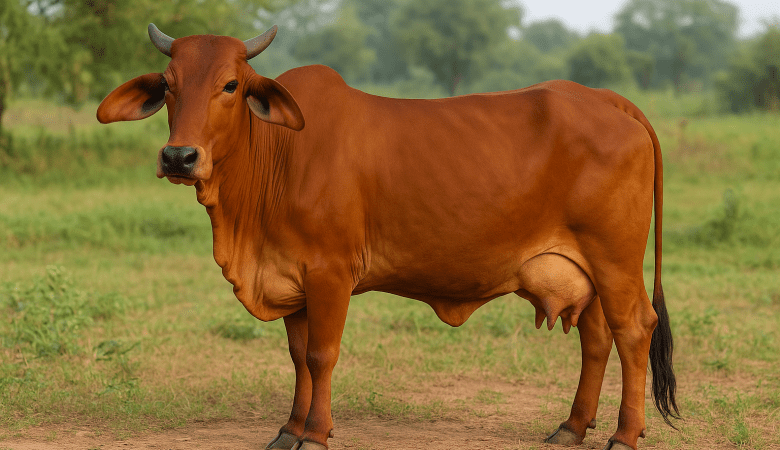
Dairy Farm Business – A Complete Guide to Starting in 2025 Dairy farming is one of the most profitable agribusiness sectors in India. With rising demand for milk and dairy products, starting a dairy farm can be a smart business choice. However, success in this field requires good planning, investment, and management skills. Why Start a Dairy Farm Business? ✅ Constant demand for milk and dairy products ✅ Suitable for rural and semi-urban areas ✅ Government support through subsidies and schemes ✅ Opportunity for employment and self-reliance ✅ Profitable income with proper management Essential Steps to Start a Dairy Farm. ✔️ Business Planning Decide on scale (small/medium/large) Prepare a business plan and cost estimate ✔️ Selecting Cattle Choose high-quality breeds (like Gir, Sahiwal, HF) Prefer cows with high milk yield and good health ✔️ Farm Setup Proper shelter, feeding area, and water supply Hygiene and waste management systems ✔️ Feeding & Healthcare Balanced nutrition and regular health checkups Vaccination and disease prevention ✔️ Staff & Management Skilled labor for milking and animal care Record keeping and financial tracking Investment and Expenses: Particulars                      Estimated Cost (₹) Cattle Purchase                      ₹50,000 – ₹1,50,000 per animal Shed Construction                  ₹2,00,000 – ₹5,00,000 Feed & Healthcare      ₹10,000 – ₹50,000 Profitability of Dairy Farming   Daily milk sales generate steady income Cow dung and compost can be sold as organic fertilizer Value-added products (curd, ghee, paneer) increase profit margin Government Schemes & Loans   NABARD Dairy Farming Subsidy Mudra Loan for Dairy Business State-wise Animal Husbandry Schemes Conclusion Dairy farm business can be a rewarding venture if managed with proper planning, good breed selection, and modern farming practices. With the right investment and government support, you can build a sustainable and profitable dairy farming business in 2025. 👉 Apply for a Cattle Loan. TabelaWala – White Gold Livestock Pvt. Ltd. — Empowering farmers, Please enable JavaScript in your browser to complete this form.Please enable JavaScript in your browser to complete this form. Name * FirstLast Mobile Number *Enter Your Number Submit

Friendly-support-icon
0 Lakh+

App Downloads 

happy-clients-icon
0 +

Advisor’s Team 

Features Img
0 Cr+

Social Media Reach

quality
0 %

Happy Customers

NEWS LETTER

Subscribe To Our Newsletter

Welcome to TabelaWala, brand name of White Gold Livestock Private Limited, the ultimate marketplace for dairy farmers looking to buy or sell cows and buffaloes online as well as offline.

+91 830 570 6703

Got Questions? Call us 24/7

Working Hours

Monday – Saturday

10:00 pm – 05:45 pm

Contact Us

Address:

Machalpur Khurd, Tehsil Barwaha, District Khargone, M.P. India 451225

Email:

contact@tabelawala.com info@tabelawala.in

TabelaWala
Privacy Overview

This website uses cookies so that we can provide you with the best user experience possible. Cookie information is stored in your browser and performs functions such as recognising you when you return to our website and helping our team to understand which sections of the website you find most interesting and useful.