Jersey Cows – A Complete Guide for Dairy Farmers
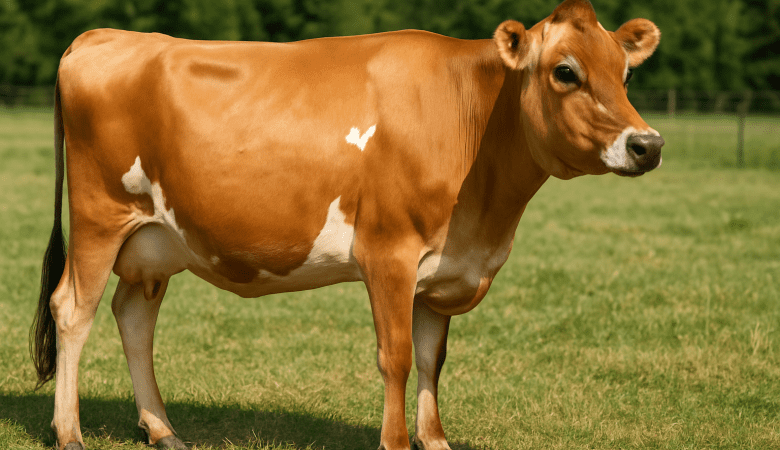
Introduction Jersey cows are among the most popular dairy breeds worldwide, known for their high-quality milk, rich butterfat content, adaptability, and lower maintenance cost. Originating from the Island of Jersey (UK), this breed has spread across Europe, the United States, and Asia, including India, where it has become a preferred choice for many dairy farmers. Characteristics of Jersey Cows Average Lifespan A Jersey cow generally lives 15–20 years if properly cared for. On average, their productive milking life is 7–10 years, which makes them a long-term asset for farmers. Size and Weight Jersey cows are smaller than Holsteins or indigenous Indian breeds. Adult cows: 360–500 kg Adult bulls: 600–700 kgDespite their smaller size, they are highly efficient milk producers. Body Color and Markings Jerseys usually have a light brown, fawn, or reddish coat, sometimes with white patches. Their black nose, large eyes, and small size make them easy to identify. Milk Quality: Butterfat and Protein Levels One of the strongest points of Jersey cows is their milk quality. Butterfat: 4.5–5.5% (much higher than Holsteins at 3.5%) Protein: 3.5–4%This makes Jersey milk excellent for ghee, butter, cheese, and paneer. Milk Yield & Efficiency Average Milk Production Per Lactation On average, a Jersey cow produces 4000–6000 liters per lactation (305 days). While Holsteins produce more in volume, Jerseys produce higher-value milk due to its fat and protein content. Factors Affecting Milk Yield Nutrition: Balanced diet with fodder, silage, and concentrates Age & Stage: Peak production usually occurs in the second and third lactation Health & Genetics: Healthy cows with good breeding lines produce more Climate: Jerseys adapt well to warm climates compared to Holsteins Why Jersey Milk is Preferred Because of its creaminess and high fat content, Jersey milk is best for: Butter and ghee production Paneer and cheese manufacturing Ice cream and flavored milk Feeding & Nutrition Management Recommended Fodder and Feed A Jersey cow needs a balanced ration of: Green fodder: Napier grass, maize, berseem, sorghum Dry fodder: Hay, straw Concentrates: Grains, oilseed cakes, bran Vitamin and Mineral Requirements Supplements are essential for: Calcium & Phosphorus (for bone and milk production) Vitamin A, D, E (for reproduction and immunity) Mineral mixture (for balanced growth and milk yield) Seasonal Feeding Adjustments Summer: More green fodder, water, and mineral salts to prevent heat stress Winter: Energy-rich concentrates to maintain body warmth Care & Health Management Calving Management and Gestation The gestation period of a Jersey cow is about 278–285 days (9 months). Proper care before and after calving ensures a healthy calf and consistent milk production. Common Diseases and Prevention Mastitis – Maintain udder hygiene Milk fever – Provide calcium supplements Foot and mouth disease – Vaccination and biosecurity measures Vaccination Schedule Essential vaccines include: FMD (Foot and Mouth Disease) HS (Hemorrhagic Septicemia) BQ (Black Quarter) Brucellosis Hygiene and Hoof Care Regular hoof trimming to prevent lameness Clean housing reduces bacterial infections Housing & Environment Ideal Shed Design and Ventilation A good shed must provide: Cross-ventilation for fresh air Sloped flooring for easy drainage Adequate space (40–50 sq. ft. per cow) Bedding and Flooring Use dry straw or sand for bedding Floors should be non-slippery and easy to clean Protection from Climate Summer: Fans, sprinklers, and shade trees Winter: Warm bedding and proper enclosure Breeding & Genetics Natural vs Artificial Insemination Natural service is cheaper but riskier for disease spread Artificial insemination (AI) allows better selection of superior genetics Crossbreeding Practices Crossbreeding Jerseys with local breeds improves: Heat tolerance Disease resistance Milk fat percentage Genetic Traits Farmers prefer Jerseys for: High fertility Early maturity Efficient feed conversion Cost & Profitability Cost of Rearing Feed: 60–70% of total cost Housing & healthcare: 20–30% Initial purchase price in India: ₹50,000 – ₹90,000 depending on age and lactation stage Return on Investment A single Jersey cow yields 10–20 liters/day with 4.5–5% fat milk Higher milk fat means better market prices Value-added products (ghee, paneer, butter) increase profit margins Price Comparison with Other Breeds Jersey: Lower cost, high-fat milk Holstein Friesian: High milk yield, lower fat Indigenous breeds (Gir, Sahiwal): Good for organic and A2 milk markets Comparison with Other Dairy Breeds Jersey vs Holstein Friesian Holstein: Higher milk yield (25–35 liters/day) but lower fat (3.5%) Jersey: Lower yield (15–20 liters/day) but higher fat (4.5–5.5%) Jersey vs Indigenous Breeds Jerseys adapt better in hot climates compared to Holsteins Indian breeds (Gir, Sahiwal) produce A2 milk, but Jerseys produce creamier milk Dairy Products from Jersey Milk Butter & Ghee – High butterfat makes them ideal Paneer & Cheese – Better yield and taste Ice Cream – Creamy texture preferred by consumers Adapting Jerseys to Local Conditions Jerseys perform well in Indian rural areas if given proper feed and housing Water availability is crucial for high yield Market demand for high-fat milk ensures consistent income Best Dairy Farm Practices for Jerseys Keep detailed records of milk yield, health, and breeding Use modern equipment like milking machines, milk coolers, and fodder choppers Cow dung can be used for biogas or organic fertilizers History & Origin of Jersey Cattle Jersey cows originated from the Island of Jersey (UK) in the 1700s. Over time, they became popular in the USA, Europe, and Asia due to their hardiness, fertility, and milk quality. Today, they are one of the most profitable dairy breeds globally. FAQs About Jersey Cows How much milk does a Jersey cow give per day? A healthy Jersey cow gives 10–20 liters per day depending on diet and management. What is the fat percentage in Jersey milk? Jersey milk contains 4.5–5.5% fat, making it ideal for ghee and butter. What is the price of a Jersey cow in India? On average, Jersey cows cost ₹50,000 to ₹90,000 depending on lactation stage, health, and location. Are Jersey cows profitable for small farmers? Yes, Jerseys require less feed, produce high-fat milk, and adapt well to Indian climates, making them profitable for small and medium farmers. Which is better: Jersey or Holstein? Jersey: High-fat milk, lower feed cost, better in hot climates