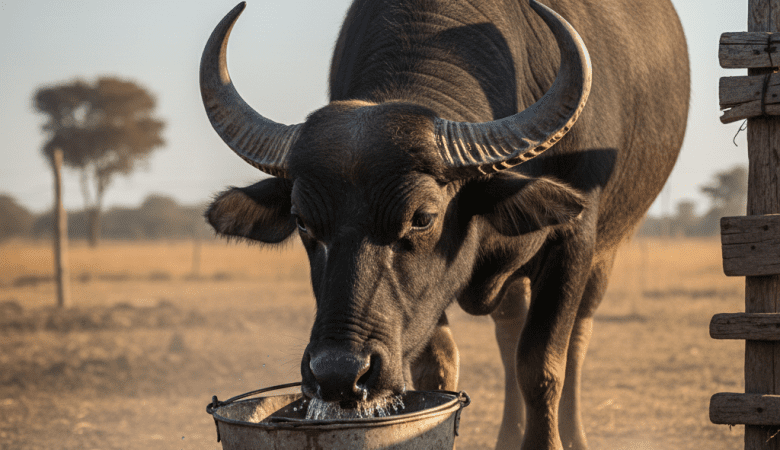
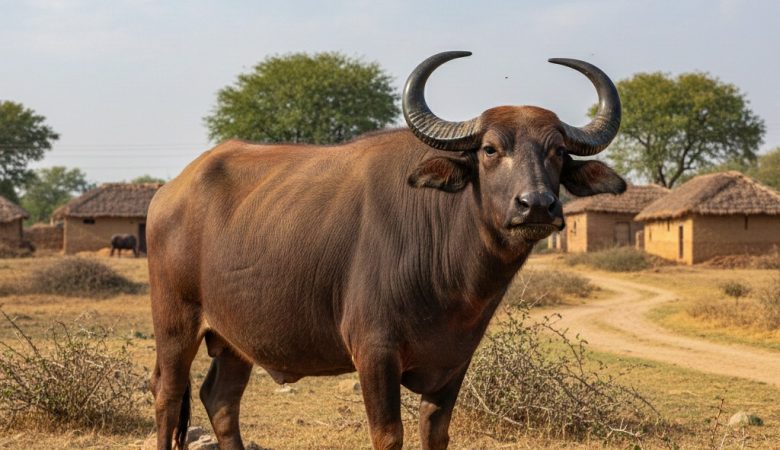
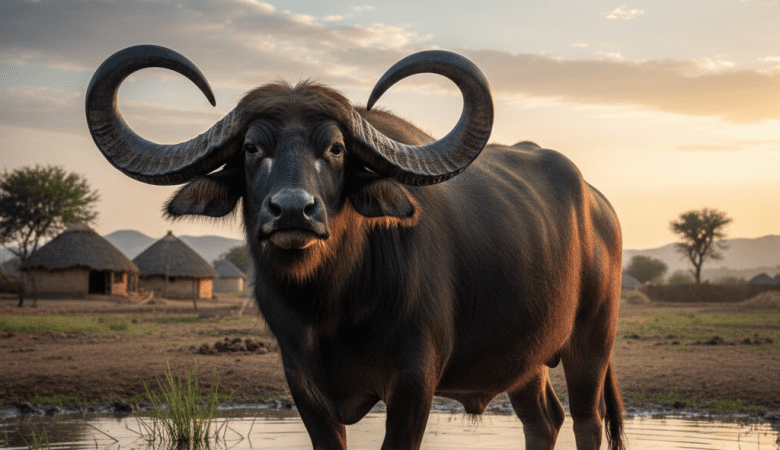
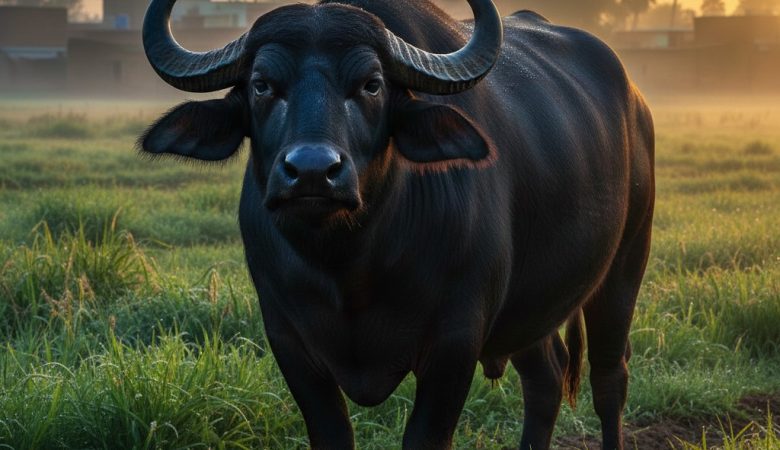
How much water do milking cows need Water is one of the most essential nutrients for dairy animals. For milking cows and buffaloes, clean and sufficient water intake directly affects milk production, animal health, digestion, and overall farm profitability. Many dairy farmers focus on feed quality but underestimate the importance of water. In this blog, we explain how much water a milking cow or buffalo needs daily, the factors affecting water requirement, and why proper hydration is crucial. Daily Water Requirement of Milking Cows A lactating (milk-giving) cow requires a large quantity of water every day. Average Water Intake for Milking Cows: Normal cow: 60–70 liters per day High-yielding cow: 80–100 liters per day Summer season: Up to 120 liters per day 👉 On average, a cow needs 3 to 4 liters of water for every liter of milk produced. Daily Water Requirement of Milking Buffaloes Buffaloes have a larger body mass and higher water needs compared to cows, especially during peak lactation. Average Water Intake for Milking Buffaloes: Normal buffalo: 70–90 liters per day High-yielding buffalo: 100–120 liters per day Hot and humid climate: 130 liters or more Buffaloes also prefer cooler water and often consume more water after feeding and milking. Factors Affecting Water Requirement in Dairy Animals Several factors influence how much water a cow or buffalo needs: 1. Milk Production Higher milk yield means higher water requirement. Milk contains nearly 87% water, so hydration directly impacts production. 2. Weather & Temperature Hot climate increases water loss through sweating and respiration. In summer, water intake may increase by 30–50%. 3. Type of Feed Dry fodder (hay, straw) → higher water need Green fodder (silage, grass) → lower water need 4. Body Weight & Age Heavier and mature animals require more water than young or smaller animals. 5. Health Condition Sick animals, especially those with fever, diarrhea, or metabolic disorders, need additional water. Why Water Is So Important for Milking Cows and Buffaloes 1. Improves Milk Production Insufficient water intake can reduce milk yield by 10–25% within a few days. 2. Aids Digestion & Feed Intake Water helps in rumen fermentation and nutrient absorption. 3. Regulates Body Temperature Proper hydration prevents heat stress, especially in buffaloes. 4. Prevents Diseases Adequate water reduces the risk of: Constipation Urinary infections Ketosis Dehydration 5. Improves Reproductive Health Well-hydrated animals show better heat cycles and fertility performance. Best Practices for Providing Water to Dairy Animals Provide clean, fresh water 24/7 Ensure water temperature is 10–20°C, if possible Allow animals to drink water: Early morning After feeding After milking Clean water troughs daily Avoid salty or contaminated water Signs of Water Deficiency in Cows and Buffaloes Reduced milk production Dry nose and mouth Loss of appetite Dark or reduced urine output Lethargy and weakness If these signs appear, increase water availability immediately.
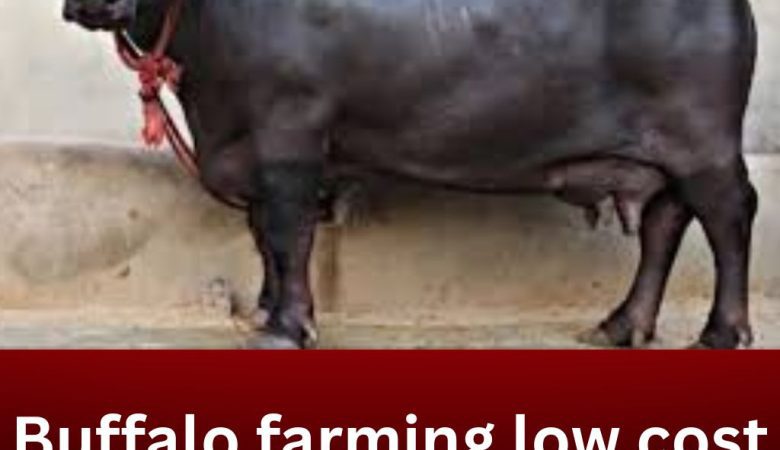
Buffalo Farming: Low-Cost Dairy Farming Guide for Maximum Profit Buffalo farming is one of the most profitable and sustainable ventures in the dairy industry. With proper management, it can be a low-cost yet highly rewarding form of dairy farming. This guide will provide you with step-by-step insights into buffalo farming, covering breeds, management practices, feeding, healthcare, and profitability.Buffaloes are known for their high milk yield, adaptability, and disease resistance. Unlike cows, buffalo milk has higher fat content, making it more lucrative for dairy products like ghee, paneer, and curd. Buffalo farming is gaining popularity among small-scale farmers due to its low investment requirements and high returns. 2. Benefits of Buffalo Farming High-Quality Milk: Buffalo milk contains more fat, protein, and calcium. Profitability: Low input costs and high milk yield ensure better profits. Adaptability: Buffaloes can thrive in diverse climates, especially in hot and humid regions. Dual Purpose: They can be used for milk, meat, and draft purposes. 3. Best Buffalo Breeds for Dairy Farming Choosing the right breed is crucial for maximizing milk production: Murrah Buffalo: Known for high milk yield and adaptability. Jaffarabadi Buffalo: Heavy milk producer with high-fat content. Nili Ravi Buffalo: Excellent for both milk and meat production. Surti Buffalo: Ideal for small-scale farmers due to low maintenance. 4. Setting Up a Low-Cost Buffalo Farm Location: Dry, well-drained land with proper ventilation. Housing: Simple sheds with good sunlight, proper drainage, and clean flooring. Space Requirement: Minimum 10-12 sq. m per adult buffalo. Water Supply: Fresh and clean water is essential for milk production. Cost-Saving Tip: Use locally available materials like bamboo, wood, and mud for sheds to reduce construction costs. 5. Feeding and Nutrition Balanced feeding is vital for milk yield and health: Green Fodder: Napier grass, maize, jowar. Dry Fodder: Wheat straw, paddy straw. Concentrates: Oilcake, soybean meal, and commercial feed. Minerals and Vitamins: Essential for reproductive health and lactation. Low-Cost Strategy: Grow fodder on farm land to reduce dependency on purchased feed. 6. Breeding and Reproduction Natural Breeding: Using high-yielding bulls of proven lineage. Artificial Insemination (AI): Cost-effective method for improving genetics. Pregnancy Detection: Early detection ensures better herd management. Tip: Keep proper breeding records to monitor reproductive performance. 7. Healthcare and Disease Management Vaccinations: FMD, HS, and Brucellosis vaccines are essential. Parasite Control: Regular deworming for internal and external parasites. Hygiene: Clean sheds reduce disease incidence. Regular Checkups: Veterinary visits help prevent major health issues. 8. Milk Production and Marketing Milk Yield: Proper nutrition and healthcare can yield 8–15 liters/day per buffalo. Value Addition: Produce ghee, paneer, curd, or flavored milk for better profits. Marketing: Tie-ups with local dairies, cooperatives, and online delivery platforms. Tip: Brand your milk products locally to build trust and premium pricing. 9. Tips for Reducing Costs Use low-cost housing materials. Grow green fodder on your farm. Use AI instead of buying high-cost bulls. Employ small-scale mechanization to reduce labor costs. Recycle manure as organic fertilizer to save on farm inputs.
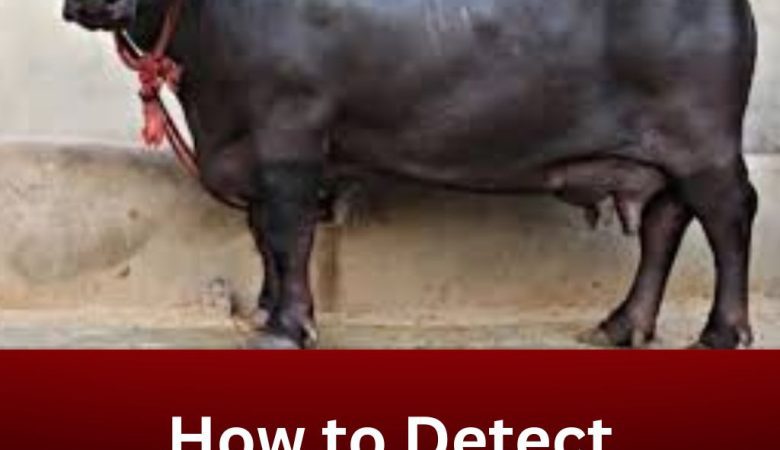
How to Detect Pregnancy in Buffaloes Pregnancy detection in buffaloes is a vital practice for dairy farmers. Early identification ensures proper care, timely breeding, and increased productivity. Buffaloes contribute significantly to milk production, making it essential to monitor their reproductive health accurately. Why Detecting Pregnancy in Buffaloes Is Important Better Reproductive Management: Identify non-pregnant buffaloes for timely breeding. Optimized Nutrition: Ensure pregnant buffaloes receive proper diet for fetal growth. Economic Advantage: Reduce losses due to delayed calving or unproductive periods. Health Monitoring: Prevent stress and reproductive complications. Signs of Pregnancy in Buffaloes 1. Absence of Estrus (Heat) A key early indicator is the lack of estrus cycles after mating. Normally, buffaloes come into heat every 21 days. Non-appearance may suggest pregnancy. 2. Udder and Teat Changes In later pregnancy stages, the udder swells, and teats become more prominent. Some buffaloes may even show initial milk secretion before calving. 3. Behavioral Changes Pregnant buffaloes may become calmer or less active. Appetite may fluctuate, especially in the early months. 4. Physical Abdominal Changes As pregnancy progresses, the abdomen enlarges. Skilled palpation can sometimes detect fetal movement. Methods to Detect Pregnancy in Buffaloes 1. Rectal Palpation Performed by veterinarians, rectal palpation examines the reproductive tract through the rectum. It can detect pregnancy 30–35 days after conception and is highly reliable when done by trained professionals. 2. Ultrasound Scanning Ultrasonography is a non-invasive and modern method that detects pregnancy as early as 25–30 days. It also helps monitor fetal health and development. 3. Hormonal Tests Progesterone Test: Blood or milk tests can measure progesterone levels. Elevated levels 18–24 days after breeding indicate possible pregnancy. Useful for confirming pregnancy when other methods are inconclusive. 4. Observing Return to Estrus If the buffalo returns to heat, she is not pregnant. Absence of estrus may indicate pregnancy but should be confirmed scientifically. Best Practices for Early Pregnancy Detection Maintain accurate breeding records. Schedule regular veterinary check-ups. Observe behavior and physical changes daily. Combine multiple detection methods for accuracy. Common Mistakes to Avoid Relying solely on behavioral signs. Attempting rectal palpation without professional training. Neglecting veterinary guidance. Ignoring nutritional needs during pregnancy.
Introduction to Surti Buffalo The Surti buffalo is one of India’s most efficient dairy breeds, known for its calm temperament, high milk efficiency, and excellent feed conversion.Originating from the Surat and Kaira districts of Gujarat, this breed is highly preferred by small and medium farmers because: It gives good-quality milk Milk contains 7–8% fat It requires very low maintenance It adapts well to hot climates Surti buffaloes are famous for being docile, friendly, and easy to handle, making them ideal for beginners in dairy farming. Origin & History of Surti Buffalo Native to Surat, Kaira, and Baroda regions of Gujarat One of India’s oldest and purest dairy breeds Traditionally raised by local milk cooperatives of Gujarat Highly used in Amul belt for quality milk production This breed developed naturally through selective breeding, focusing on milk yield and calm temperament. Physical Characteristics (How to Identify a Surti Buffalo?) Body Color Usually jet black Some animals may have brownish or grey shades White markings on forehead or legs are acceptable Horns Typical sickle-shaped horns Curved downward and then upward like a crescent This horn pattern is the key identification mark Eyes & Face Eyes are bright and expressive Face is straight or slightly narrow Body Structure Medium-sized body Smooth and thin skin Well-shaped udder Strong legs Excellent heat tolerance Tail Long tail with a black switch Surti buffaloes are lighter than Murrah and Jaffarabadi but are more fuel-efficient (less feed, more milk). Milk Production Capacity Category Output Daily Milk Yield 6–12 liters/day Peak Yield 14 liters/day Lactation Period 250–300 days Milk Fat Content 7–8% SNF 9–10% Surti milk is thick, creamy, and ideal for making curd, paneer, and dairy sweets. Surti Buffalo Price in India Prices depend on milk yield, age, location, and purity. Milk Capacity Price Range (India) 4–6 liters/day ₹45,000–₹65,000 6–10 liters/day ₹70,000–₹1,00,000 10–14 liters/day ₹1,00,000–₹1,50,000 Pregnant High-Lineage ₹1,20,000–₹1,80,000 Region-wise trend: Gujarat – best price & purest breed Maharashtra – slightly higher Rajasthan – moderate UP, MP – high price du Feeding Management (Complete Diet Plan) Green Fodder Maize Jowar Lucerne Napier grass Hybrid bajra Dry Fodder Groundnut cake Wheat straw Cottonseed cake Concentrates 1 kg concentrate per 2.5 liters of milk Mineral mixture – 50 g/day Salt – 30 g/day Water Requirement 50–60 liters/day More in summer due to heat Special Feeds for High Milk Yield Yeast culture Bypass protein feed Oilseed cakes Balanced green + dry fodder Surti buffaloes convert feed into milk very efficiently, which reduces overall dairy cost. Breeding & Reproduction First heat: 24–30 months Ideal breeding age: 2.5–3 years Calving interval: 14–18 months Gestation period: 305 days Lifelong calves: 7–9 Heat signs are easily visible — tail lifting, vulva swelling, and restlessness. Housing & Management Well-ventilated shed Sloped floor for drainage Cooling system in summer (fans + foggers) 35 sq. ft. covered space 60 sq. ft. open area Clean water at all times Surti buffaloes thrive best in semi-intensive or open housing systems. Common Health Issues & Precautions Surti is a hardy breed but may face: Mastitis Parasitic infections FMD Hoof issues in wet floors Vaccination Schedule FMD – 6 months HS – yearly BQ – yearly Deworming – every 3 months How to Increase Milk Production in Surti Buffalo Provide high-quality green fodder Balanced mineral mixture daily Maintain a calm environment Follow clean milking practices Ensure proper heat detection Provide dry bedding and clean flooring Add oilseed cakes to increase fat The breed gives maximum results when kept stress-free.
Introduction to Bhadawari Buffalo The Bhadawari buffalo is one of India’s most popular dairy breeds, known especially for its extremely high milk fat content, which can reach 10–14%, the highest among all Indian buffalo breeds.Because of this premium milk quality, Bhadawari is often called the “Milk Fat Queen of India.” This breed is native to the Bhadawar region (Agra, Etawah & Bhind area) of Uttar Pradesh and Madhya Pradesh and is highly preferred by farmers who want low maintenance and high-profit dairy farming. Origin & History of the Bhadawari Buffalo Origin: Bhadawar region, between UP & MP One of the oldest desi buffalo breeds of India Developed naturally by farmers through selective breeding Traditionally used for high-fat milk and ghee production Population once declined but conservation programs revived the breed Physical Characteristics (How to Identify a Bhadawari Buffalo?) Body Color Copper brown or light brown body Sometimes darker shading on face and legs Horns Sword-shaped, curved slightly upward This horn shape is unique to the breed Eyes & Muzzle Bright, alert eyes Black or brownish-black muzzle Tail & Switch Long tail with a black switch Body Structure Medium-sized body Tight skin and strong legs High heat tolerance Energetic and hardy Bhadawari is lighter in weight compared to Murrah, making it easier to manage and cheaper to maintain. Milk Production Capacity Category Output Daily Milk Yield 6–12 liters/day Peak Yield 14+ liters/day Lactation Period 270–300 days Milk Fat 10–14% (Highest among Indian breeds) SNF 9–10% This high-fat milk is ideal for making premium ghee, giving farmers better margins. Bhadawari Buffalo Price in India Pricing depends on age, milk yield, purity, and region. Milk Capacity Price Range (India) 4–6 liters/day ₹40,000–₹55,000 6–10 liters/day ₹60,000–₹80,000 10–14 liters/day ₹90,000–₹1,30,000 Pregnant (High lineage) ₹1,20,000–₹1,80,000 Regional price trend: UP – best price & pure breed availability MP – slightly higher Rajasthan – moderate Haryana/Punjab – expensive due to rarity Feeding Management (Complete Diet Plan) Green Fodder Berseem Maize Jawar Napier MP Chari Dry Fodder Wheat straw Paddy straw Groundnut cake Concentrate Feed 1 kg concentrate per 2.5 liters of milk yield Mineral mixture: 50–60 g/day Salt: 30 g/day Water Requirement 50–70 liters/day 80 liters/day in summer Feeds That Increase Milk Fat Mustard cake Cottonseed cake Balanced green + dry fodder Yeast culture Bhadawari buffaloes do not require costly feed—simple desi feeding works great. Breeding & Reproduction First heat: 24–30 months Ideal breeding age: 2.5–3 years Calving interval: 14–18 months Gestation period: ~305 days Average calves: 7–9 per lifetime Heat signs include tail lifting, vulva swelling, and active behavior. Housing & Farm Management Well-ventilated open shed Proper drainage slope 40 sq. ft. covered + 80 sq. ft. open area per animal Clean drinking water access Summer cooling: fans + foggers Common Health Issues & Prevention Though naturally disease-resistant, Bhadawari buffaloes may face: Mastitis FMD (Foot & Mouth Disease) Parasitic infections Reproductive issues with poor diet ✔ Vaccination Schedule FMD – twice a year HS – once a year BQ – once a year Deworming – every 3 months How to Increase Milk Production Balanced green + dry fodder ratio Daily mineral mixture Mustard cake for improved fat percentage Stress-free housing Clean milking practices Timely breeding & heat detection Keep udders clean before milking Bhadawari vs Other Indian Buffalo Breeds Feature Bhadawari Murrah Jaffarabadi Milk Yield 6–12 L 10–18 L 8–14 L Fat % 10–14% 6–7% 7–9% Body Size Medium Large Very large Price Low–Medium High High Maintenance Low Medium High 👉 Best for farmers wanting low cost and high fat milk. Profitability of Bhadawari Buffalo Dairy Farming Income Example (Average) Milk: 10 liters/dayFat: 12% If milk sells at ₹70–90/liter: 10 × 30 = 300 liters/monthIncome = ₹21,000–₹27,000/month Monthly feed cost = ₹8,000–₹10,000 👉 Net Profit per buffalo: ₹12,000–₹17,000 per month Profit doubles if you sell ghee, because Bhadawari milk makes ghee very efficiently. Care During Pregnancy & After Calving Pregnant Buffalo Diet High-quality green fodder Calcium + mineral mixture 1–1.5 kg extra concentrate After Calving Warm water Gur + roasted gram mix Avoid oxytocin – natural let-down is healthier Best Places to Buy Bhadawari Buffalo Agra Etawah Bhind Morena Gwalior Mathura UP–MP border cattle fairs These regions have the purest bloodlines. Myths and Facts About Bhadawari Buffalo ❌ Myth: Bhadawari gives very little milk ✔ Fact: Milk yield is moderate, but fat percentage is the highest. ❌ Myth: Only available in UP ✔ Fact: Now found in Rajasthan, MP, and Haryana as well. ❌ Myth: Needs expensive feed ✔ Fact: This breed thrives on normal desi fodder.
Jaffarabadi Buffalo: The Heavyweight Milk Champion of India Jaffarabadi buffalo is one of India’s most powerful and high-performing dairy breeds. Known for its massive body, strong immunity, and excellent milk production, this breed originated from Gujarat and is now popular across India and several foreign countries.Due to its size and performance, Jaffarabadi buffalo is often called the “Powerhouse of Indian Dairy Farming.” This guide covers everything you need to know — origin, identification, milk yield, diet plan, shed design, price, diseases, and business profitability. Introduction to Jaffarabadi Buffalo Jaffarabadi is one of the largest buffalo breeds in the world, famous for: Strong and muscular body Thick, high-fat milk Ability to survive tough climates High milk yield and long lactation This buffalo is excellent for farmers who want strong, hardy animals with good commercial value. Origin & History The Jaffarabadi breed originated in Gujarat, mainly in: Junagadh Bhavnagar Amreli Gir forest region The name comes from the town Jaffarabad in Gujarat, where the breed was first recognized. The breed was developed by local farmers and improved through selective breeding. Today, Jaffarabadi buffalo is popular in: Gujarat Maharashtra Rajasthan Andhra Pradesh UAE & Brazil (exported genetics) Physical Characteristics (How to Identify a True Jaffarabadi Buffalo) Jaffarabadi buffalo is easy to identify due to its massive build and unique horn structure. Body Size Extremely large and heavy Deep, wide chest and huge frame Body Color Mostly jet black Smooth and slightly glossy skin Horns Thick, heavy, and drooping downward Curve sideways and backward (hallmark feature) Head & Face Big, broad face Prominent forehead Strong jaw and thick neck Udder Quality Large, bowl-shaped udder Strong milk veins Legs & Hooves Strong legs to support heavy body Large hooves with good grip Jaffarabadi buffalo are known for power, stamina, and beautiful heavy structure. Milk Production Capacity of Jaffarabadi Buffalo Jaffarabadi buffalo gives excellent milk production with high fat content. Daily Milk Yield 8–14 liters/day (average)14–20 liters/day (premium bloodlines) ✔ Annual Milk Production 2,500 – 4,500 liters per lactation ✔ Milk Fat Percentage 8% – 12%, one of the highest among Indian breeds ✔ Lactation Length 280–320 days The higher fat content makes the milk ideal for: Ghee Mawa Paneer Sweets Thus, the Jaffarabadi milk always gets premium rates. Price of Jaffarabadi Buffalo in India Price depends on age, milk yield, pregnancy status, and region. Price Range (India) Category Price (₹) Heifer (Non-lactating) ₹65,000 – ₹1,20,000 Pregnant Heifer ₹1,20,000 – ₹2,00,000 Average Milking ₹1,20,000 – ₹1,80,000 High-Yield (12–15 L) ₹1,80,000 – ₹2,80,000 Premium Heavy Bloodline ₹3,00,000 – ₹5,00,000+ Gujarat cattle fairs (especially Junagadh and Amreli) are the best places to buy pure Jaffarabadi buffalo. Feeding Management (Daily Diet Plan) Jaffarabadi buffalo grows large and needs a balanced diet to stay productive. Green Fodder (25–30 kg/day) Hybrid Napier Sorghum Sugarcane tops Berseem Dry Fodder (5–7 kg/day) Wheat straw Groundnut straw Paddy straw Concentrates (4–7 kg/day) Cottonseed cake Maize Bran Protein-rich mixes Mineral Mixture & Salt 50–70 g/day Salt bricks mandatory Water Requirement 60–80 liters/day Provide clean water all day long A proper feeding plan increases milk yield and improves body condition. Breeding & Reproduction Jaffarabadi buffalo shows good fertility when fed and managed properly. Heat Signs Vocalization Mucus discharge Restlessness Mounting behavior Ideal Breeding Age 2.5 to 3 years Calving Interval 400–450 days Breeding Methods Artificial Insemination (AI) Natural service with proven Jaffarabadi bulls Strong calves and long-lactation lines make this breed excellent for genetic improvement. Housing & Shed Management Because Jaffarabadi is a large breed, the shed must be spacious. Space Requirement 50–60 sq. ft indoor 100–120 sq. ft outdoor paddock Shed Features East–west direction Non-slippery flooring Proper drainage Strong partitions Ventilation and natural light Hygiene Practices Twice-daily cleaning Udder washing before milking Regular disinfection Fly and tick control Proper housing ensures high milk production and reduces disease risk. Common Diseases & Prevention Jaffarabadi buffalo is hardy but still needs preventive measures. Major Diseases: Mastitis HS (Hemorrhagic Septicemia) FMD Parasite infections Bloat Foot rot Vaccination Schedule: FMD – Twice a year HS – Once a year Black Quarter – Once a year Deworming – Every 3 months Good hygiene and feeding practices reduce health issues significantly. How to Increase Milk Production of Jaffarabadi Buffalo Balanced Diet Green fodder + dry fodder + protein-rich concentrate. Regular Milking Schedule Same time daily to avoid stress. Ample Water Buffalo must never remain thirsty. Good Mineral Mix Essential for milk and immunity. Heat Detection & Timely Breeding Reduces calving gap and increases yearly milk output. Comfort & Clean Shed Stress-free buffalo produces more milk. Jaffarabadi vs Other Indian Buffalo Breeds Feature Jaffarabadi Murrah Nili-Ravi Milk/day 8–14 L 10–18 L 12–20 L Fat % 8–12% 7–9.5% 6.5–8% Body size Very large Medium Medium Climate tolerance High High Moderate Price High High High Jaffarabadi is the largest and most powerful buffalo among all Indian breeds. Dairy Farm Profitability (Jaffarabadi Buffalo) Expenses: Feed: ₹280–350/day Others: medicines, labour, water, electricity Income: Milk: 10–12 liters/dayMilk Price: ₹70–90/liter (high fat) Daily Income: ₹700–₹1,000Daily Profit: ₹250–₹450Monthly Profit (1 buffalo): ₹7,000–₹13,00010-buffalo farm profit: ₹75,000–₹1,30,000/month Excellent for farmers seeking long-term dairy business. Pregnancy & Calving Care During Pregnancy: High-quality dry fodder Extra minerals Regular walking Deworming before calving After Calving: Warm water for 2–3 days Light feed initially Gradually increase energy-rich feed Regular milking to stimulate milk flow Proper care ensures healthy calves and higher milk production. Best Places to Buy Jaffarabadi Buffalo Top markets in India: Junagadh, Gujarat Amreli, Gujarat Bhavnagar, Gujarat Rajkot cattle markets Maharashtra (Kolhapur, Sangli) Buy only from genuine breeders with milk test records. Myths & Facts About Jaffarabadi Buffalo ❌ Myth: Jaffarabadi buffalo is difficult to manage.✔ Fact: It is hardy and adapts well with proper feeding. ❌ Myth: This breed gives less milk.✔ Fact: It gives high-fat milk that sells at premium rates. ❌ Myth: Only Gujarat has pure Jaffarabadi.✔ Fact: Pure lines are available in many Indian states now. FAQs What is the average milk production of Jaffarabadi buffalo? 8–14 liters/day normally; premium bloodlines give 15–20 L/day. What is the
Murrah Buffalo: The Black Gold of India Murrah buffalo is one of India’s most valuable dairy breeds, known for its high milk yield, excellent disease resistance, and adaptability to different climates. This breed has earned the title “Black Gold” because it produces rich, high-fat milk and generates significant profit for dairy farmers.This complete guide covers everything you need to know about Murrah buffalo—origin, identification, feeding, breeding, milk production, housing, diseases, and business profitability. Introduction to Murrah Buffalo The Murrah buffalo is the most popular dairy buffalo breed in India and is globally recognized for its superior milk production. Most modern dairy farms prefer Murrah buffalo because they provide: Higher milk yield Thick, high-fat milk Strong immunity Easy adaptation to hot and cold climates Countries like Nepal, Brazil, Bulgaria, Turkey, and Egypt also import Murrah bloodlines to improve their dairy herds. Origin & History Murrah buffalo originally belongs to the Rohtak, Hisar, Jind, and Jhajjar districts of Haryana.Historical documents show that the breed was selectively developed by Haryanvi farmers many decades ago to meet the high dairy demand. Over time, Murrah buffalo became the world’s most productive dairy buffalo breed and earned global recognition by improving milk lines in multiple countries. Physical Characteristics (How to Identify a True Murrah Buffalo) Identifying a pure Murrah buffalo is extremely important because the market is full of cross-breeds. Here are the key identification features: Body Color Jet black and shiny Some may have white markings on the tail or legs Eyes Bright, black, active, and alert Horns Long and tightly curved in a spiraled form Looks like a neatly curled ring Head & Face Short, broad face Small mouth, strong jaw Neck is short and thick Tail Long tail with a thick, white switch at the end Udder Quality Bowl-shaped, soft, and well-developed Veins clearly visible Body Shape Compact, heavy, and well-built Strong legs suitable for long lactation A pure Murrah buffalo is known for its beauty, symmetry, and strength. Milk Production Capacity of Murrah Buffalo Murrah buffaloes are famous for their outstanding production. Daily Milk Yield 10–18 liters/day (average farmers)18–30 liters/day (high-yield bloodlines) Annual Milk Production 2,500 – 4,000 liters per lactation Milk Fat Percentage 7% – 9.5%, sometimes even higher Lactation Period 280–300 days Because of its high fat content, Murrah milk brings better market rates and more profit than cow milk. Murrah Buffalo Price in India The price of Murrah buffalo varies based on age, milk yield, bloodline, and market location. Murrah Buffalo Price Range Category Price (₹) Heifer (Non-lactating) ₹55,000 – ₹90,000 Pregnant Heifer ₹1,00,000 – ₹1,80,000 Average Milking Murrah ₹1,00,000 – ₹1,50,000 High-Yield Murrah (12–16 L) ₹1,60,000 – ₹2,20,000 Premium Bloodline (18+ L) ₹2,50,000 – ₹4,00,000+ Haryana markets like Loharu, Hisar, Rohtak, and Jind are known for premium Murrah buffalo. Feeding Management (Daily Diet Plan) Proper feeding is key to increasing milk production and animal health. Daily Diet Chart Green fodder: Napier Berseem Maize Sorghum(20–25 kg/day) Dry fodder: Wheat straw Paddy straw(4–5 kg/day) Concentrate: 1 kg for body maintenance 1 kg per 2.5 liters of milk(4–6 kg/day) Mineral mixture & salt: 50–60 g/day Provide good mineral mixture + salt bricks Clean water: 50–70 liters/day minimum Breeding & Reproduction Heat Signs Restlessness Swelling of vulva Mucus discharge Mounting other animals Loss of appetite Ideal Breeding Age 2.5 to 3 years Calving Interval 400–450 days AI vs Natural Breeding AI recommended for better genetics Natural service works well with proven bulls Murrah buffalo responds well to scientific breeding practices. Housing & Farm Management A proper shed ensures high milk yield and prevents diseases. Shed Requirements East–west direction Non-slippery floor Good ventilation Clean and dry environment Space Required 40–50 sq. ft per adult buffalo inside 80–100 sq. ft open paddock area Bedding Dry bedding, sand, rubber mats (optional) Hygiene Routine Twice-a-day cleaning Regular udder washing Fly and parasite control Common Diseases & Prevention Murrah buffalo is disease-resistant but still needs a proper health plan. Major Health Problems Mastitis FMD (Foot and Mouth Disease) HS (Hemorrhagic Septicemia) Parasites Bloat Vaccination Schedule ✔ FMD – every 6 months✔ HS – yearly✔ BQ – yearly✔ Deworming – every 3 months Maintaining hygiene can significantly reduce disease risks. How to Increase Milk Production of Murrah Buffalo Provide balanced feed Include green fodder + dry fodder + concentrate + minerals. Follow regular milking timings Morning & evening at fixed time. Provide fresh water all day Dehydration reduces milk immediately. Give stress-free environment Avoid loud noise, heat stress, poor housing. Timely breeding Reduce calving interval for better yearly milk output. Post-calving nutrition High-energy diet increases milk flow. Murrah vs Other Indian Buffalo Breeds Feature Murrah Jaffarabadi Nili-Ravi Milk/day 10–18 L 8–14 L 12–20 L Fat % 7–9.5% 8–10% 6.5–8% Size Medium Heavy Medium Calving Easy Moderate Easy Market value Highest High High Murrah is preferred for daily dairy farming due to its combination of milk + fat + adaptability. Murrah Buffalo Dairy Business Profitability Let’s understand the profit: Expenses: Feed expenses: ₹250–300/day Labour, medicines, electricity, etc. Income: 10–12 liters/day average Milk price: ₹60–80/liter Daily Earning → ₹600–₹900Daily Profit → ₹250–₹450Monthly Profit (one buffalo) → ₹7,000–₹12,00010-buffalo dairy farm profit → ₹70,000–₹1,20,000 per month This is why Murrah buffalo farming is considered a highly profitable business. Pregnancy & Calving Care During Pregnancy: Increase mineral mixture Provide soft bedding Avoid jumping or stress Deworm before last trimester After Calving: Provide warm water Start with light feed Provide high-energy diet after 2–3 days Regular milking to stimulate milk let-down Good calving care improves milk production and reduces calf mortality. Best States & Markets to Buy Murrah Buffalo Top Murrah Buffalo Markets: Rohtak, Haryana Hisar, Haryana Jind, Haryana Jhajjar, Haryana Punjab markets UP cattle markets These regions have pure bloodlines and trusted sellers. Popular Myths & Facts About Murrah Buffalo ❌ Myth: Murrah needs expensive feed.✔ Fact: Proper balanced diet is enough—no costly feed required. ❌ Myth: Only Haryana has pure Murrah.✔ Fact: Pure Murrah is found in many states today. ❌ Myth: High-yield buffalo fall sick fast.✔ Fact: Murrah is naturally
Why Cows Don’t Come in Heat After Calving: Scientists Reveal the Truth When a cow does not return to heat even weeks after calving, most farmers start worrying—Is the cow healthy? Is there some hidden issue? Will she conceive again on time?This situation is very common in dairy farming, and modern research finally explains why cows experience delayed heat cycles after calving. In this blog, we break down the scientific reasons behind postpartum anestrus (no-heat condition), how long a cow normally takes to return to heat, and simple practical steps to bring her back into a healthy reproductive cycle. Understanding the Post-Calving Phase After calving, a cow’s body enters a recovery stage. Her uterus needs time to return to normal size and remove all pregnancy-related tissues. This process naturally affects hormone balance. According to veterinary science, most cows start showing heat between 45–60 days after calving if they are healthy and kept under proper management. Top Scientific Reasons Why Cows Don’t Come in Heat After Calving 1. Negative Energy Balance (NEB) After calving, the cow produces a lot of milk, which requires high energy. If her diet is not rich enough, she enters Negative Energy Balance, meaning she burns more energy than she consumes. This directly affects hormone production and delays heat.Signs: weight loss, reduced feed intake, dull body condition. Solution: Increase energy-rich feeds (grains, maize, oil cakes). Provide mineral mixture + bypass fat. Ensure proper dry matter intake. 2. Uterine Infections (Metritis or Endometritis) If the uterus does not clean properly after calving or if delivery was difficult, infections may develop. These infections prevent the ovaries from functioning normally. Signs: Smelly discharge Fever Reduced appetite Solution: Get a veterinary uterine check-up Antibiotic or hormonal therapy as needed 3. Retained Placenta (R.P.) If the cow fails to expel the placenta within 6–12 hours after calving, it can cause: Infection Weakness Hormonal imbalance Delay in heat Solution: Do not pull the placenta Get veterinary treatment immediately 4. Low Calcium or Mineral Deficiency Calcium, phosphorus, copper, and manganese are essential for hormonal activities.Deficiency in minerals affects ovulation and delays the heat cycle. Solution: Give mineral mixture daily Add calcium supplements for 7–10 days after calving 5. Silent Heat (Cow Comes in Heat but Not Visible) Sometimes the cow does come in heat, but external signs are very weak.This is called Silent Heat, and it commonly occurs in high-yielding cows. Signs: Slight restlessness Low rumination Mild mucus discharge Solution: Observe cows at least 3 times a day Use heat detection aids like patches or pedometers 6. Poor Body Condition Score (BCS) Cows that are too thin or too fat face heat delays.Ideal BCS after calving: 2.75–3.25 Solution: Provide balanced feed Avoid over-conditioning during dry period 7. Stress and Poor Management Stress causes hormonal suppression.Common stress factors: Sudden feed changes Extreme heat or cold Overcrowding Poor hygiene Long standing hours Solution: Provide shade, ventilation Maintain a clean, dry housing area Keep feeding and milking routine consistent 8. Cystic Ovaries or Hormonal Disorders Some cows develop ovarian cysts after calving.This disturbs normal heat cycles. Solution: Veterinary ultrasound Hormonal treatment (GnRH, PGF2α) How Long Should You Wait? Normal Heat Return Timeline Days After Calving 0-40 days 45-60 days A60–90 days 90+ days Days After Calving Recovery period – no heat expected Most cows start showing heat Delayed heat – requires observation Veterinary check-up recommended Best Practices to Bring Cow Back to Heat Faster ✔ Maintain Energy-Rich Diet Maize Cotton seed cake Bypass fat Green fodder Silage ✔ Daily Mineral Mixture For strong hormonal function. ✔ Provide Clean, Stress-Free Environment Reduce heat stress and maintain hygiene. ✔ Regular Deworming Every 3–4 months. ✔ Vet Reproductive Check-up If the cow does not show heat by 70–90 days. When to Call the Veterinarian? Contact your veterinarian if: Cow does not come in heat for more than 80–90 days Repeated silent heat Smelly uterine discharge Weakness or sudden drop in milk Early treatment saves time and improves fertility. How many days after calving should a cow come into heat? Most cows show heat within 45–60 days after calving. What is the main reason for delayed heat in cows? Negative energy balance and uterine infections are the top scientific reasons. Can mineral deficiency delay heat? Yes, calcium and trace mineral deficiency directly affect hormonal balance. What is silent heat? When cows come in heat but signs are not visible, it is called silent heat. Most cows show heat within 45–60 days after calving. Negative energy balance and uterine infections are the top scientific reasons. Yes, calcium and trace mineral deficiency directly affect hormonal balance. When cows come in heat but signs are not visible, it is called silent heat.
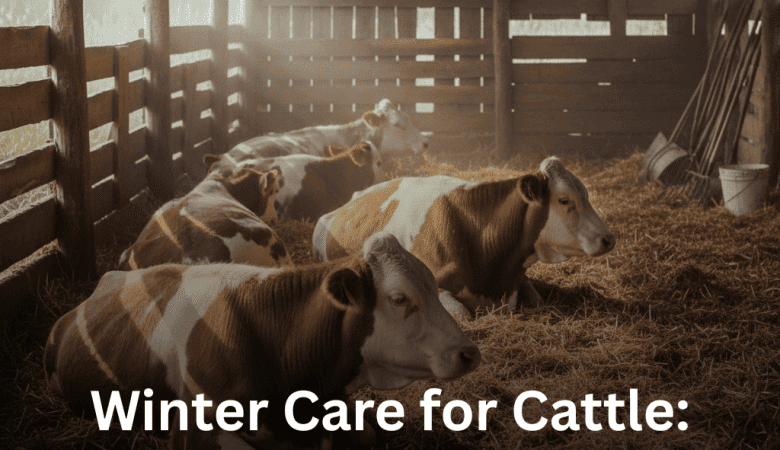
Winter Care for Cattle Winter is a challenging season for dairy farmers. As temperatures drop, cattle use more energy to maintain body heat. If their diet and management are not adjusted properly, milk production can fall sharply. However, with the right winter care routine, you can keep cows and buffaloes healthy, prevent seasonal diseases, and increase their milk yield naturally.This guide explains the best winter diet tips, management practices, and feeding strategies to ensure maximum milk production during cold weather. Why Winter Care for Cattle Is Important? Cold weather affects cattle in many ways: Body temperature drops → energy requirement increases Appetite decreases → animals often eat less Water intake reduces → causes dehydration and lowers milk flow Risk of pneumonia, fever, and cold stress increases Milk fat percentage can drop if diet is not balanced Proper winter feed and care help cattle stay warm, healthy, and productive. Best Winter Diet Tips to Boost Milk Yield 1. Provide More Energy-Rich Feed In winter, cattle need 20–30% more energy. Best energy-rich feeds for winter: Maize grain Barley Wheat bran Jaggery (gur) Rice polish Oil cakes (Mustard cake, Cottonseed cake, Groundnut cake) These feeds help maintain body heat and increase milk production. 2. Give Warm Water for Drinking Cold water reduces intake, causing dehydration and lower milk yield. ✔ Always provide slightly warm (30–35°C) water✔ Offer water 3–4 times a day✔ Clean water trough daily Warm water boosts digestion and keeps the cow comfortable. 3. Add Minerals & Salt Mixture Daily Minerals are essential for milk production and immunity. Daily supplements: Mineral mixture: 50–60 grams Salt (white or himalayan): small quantity daily This prevents deficiencies and improves overall health. 4. Increase Green Fodder Intake Green fodder helps maintain: Proper digestion Milk fat percentage Overall nutritional balance Best winter fodder options: Berseem Oat fodder Lucerne Ryegrass Sorghum silage If green fodder is not available, use silage + hay combination. 5. Give Protein-Rich Feed for High Milk Yield Milk yield drops in winter when protein intake is low. Top protein feeds: Soybean meal Mustard cake Groundnut cake Cottonseed cake Provide 1–1.5 kg protein supplement per adult cow daily depending on milk production. 6. Include Digestive Enhancers Cold weather slows digestion. You can add: Bypass fat Bypass protein Yeast supplements Probiotics These improve metabolism and help cows produce more milk. 7. Provide Good Quality Dry Fodder Dry fodder ensures proper rumen function. Best dry fodder for winter: Wheat straw Paddy straw (treated) Groundnut haulms Maize stover Mix dry fodder + green fodder for balanced nutrition. 8. Add Jaggery (Gur) in Feed Jaggery improves energy levels and digestion. ✔ Give 200–300 grams daily✔ Especially helpful for high-yielding cows 9. Ensure Comfortable Bedding & Shelter Cows produce more milk when they feel warm and stress-free. Winter shelter tips: Keep bedding dry using straw Cover windows to block cold winds Use gunny bags or curtains on shed sides Maintain clean, dry floors Comfort directly affects milk yield. 10. Protect Cattle from Morning & Evening Cold Temperature is lowest between 4 AM to 8 AM.Avoid letting animals out at this time. ✔ Let them graze or roam only after sunlight✔ Keep newborn calves covered with blankets Lorem ipsum dolor sit amet, consectetur adipiscing elit. Ut elit tellus, luctus nec ullamcorper mattis, pulvinar dapibus leo. Special Winter Tip to Increase Milk Fat Add these in the diet: Flaxseed (alsi) – 100 g daily Mustard cake – boosts milk fat Good quality silage – improves fiber and fat levels These ingredients naturally increase milk cream percentage. Winter Health Precautions To prevent diseases: Deworm cattle before winter starts Vaccinate timely (FMD, HS, BQ, Brucellosis) Keep the shed dry to avoid pneumonia Check for fever and cold symptoms daily Healthy cows = higher milk production. Sample Winter Diet Plan for a Milking Cow Morning 5–7 kg green fodder 2–3 kg concentrate Warm water Afternoon Dry fodder (wheat straw/hay) 5–6 kg green fodder Evening 2–3 kg concentrate Warm water Daily Supplements 50–60 g mineral mixture 200 g jaggery 100 g bypass fat (optional) 1. What should I feed my cow in winter to increase milk? Provide more energy-rich feed like maize, wheat bran, oil cakes, and jaggery. Add protein supplements and green fodder to maintain high milk production. 2. How can I protect my cattle from cold weather? Keep the shed warm with dry bedding, block cold winds, use curtains, and avoid letting animals out during early morning cold hours. 3. Is warm water good for cows in winter? Yes. Warm water improves digestion, increases water intake, and directly supports higher milk yield. 4. What is the best winter fodder for cows? Berseem, oats, lucerne, and quality silage are ideal winter fodders that boost milk production. 5. Why does milk production drop in winter? Milk falls because cattle use more energy to stay warm, drink less water, and their digestion slows down. Balanced diet and warm water prevent this drop. 6. Suggested Internal Links (If You Have These Blogs) If you’re generating an AI image, use this prompt: Provide more energy-rich feed like maize, wheat bran, oil cakes, and jaggery. Add protein supplements and green fodder to maintain high milk production. Keep the shed warm with dry bedding, block cold winds, use curtains, and avoid letting animals out during early morning cold hours. Yes. Warm water improves digestion, increases water intake, and directly supports higher milk yield. Berseem, oats, lucerne, and quality silage are ideal winter fodders that boost milk production. Milk falls because cattle use more energy to stay warm, drink less water, and their digestion slows down. Balanced diet and warm water prevent this drop. If you’re generating an AI image, use this prompt:
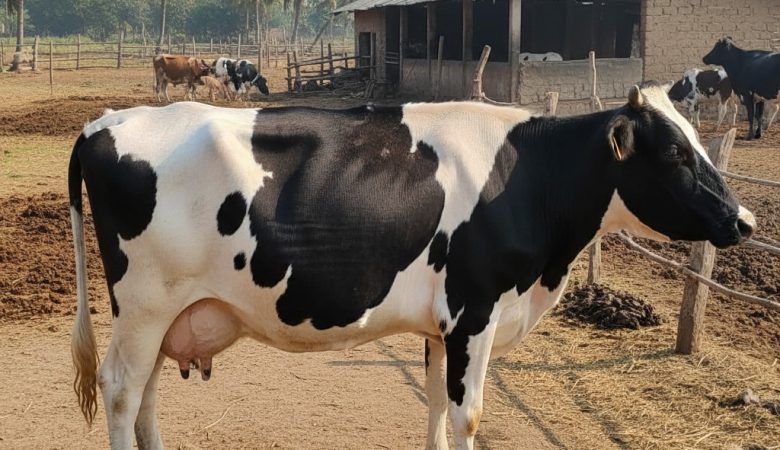
Holstein Friesian Cow Holstein Friesian Other Names Holstein cattle, Friesian cattle, High-Milk Yield Cow Origin Country Germany, Netherlands Use Dairy Cow Weight 550kg–770 kg(approx. 1212–1698 lbs) Height 145 to 165 cm (approximately 57 to 65 inches). Color Black and White (most common) Red and White (rare variety) HF Calf Weight & Height At birth Weight: 35–45 kg (≈ 77–99 lbs) ,At birth Height: 75–85 cm (30–33 inches) Average lifespan 12 to 15 years Milk Yield 8,000–12,000 liters Fat percentage 3.2% – 4.0% SNF (Solids-Not-Fat) 8.2% – 8.8% First Calving of HF Cow Around 24–30 months (2–2.5 years). Gestation Period of HF Cow 9 months and 10 days Holstein Friesian (HF Cow) The Holstein Friesian, commonly known as the HF cow, is one of the world’s most popular dairy breeds. It is widely preferred for its exceptional milk-producing ability, strong physical build, and high adaptability to different climates. HF cows are a leading choice for commercial dairy farms because they deliver maximum output with proper management, making them a profitable asset for small and large farmers alike. Holstein Origin The Holstein Friesian breed originated in the provinces of North Holland and Friesland in the Netherlands. These regions had rich grasslands that helped develop a cow known for producing large volumes of milk. Over the years, the breed spread to Europe, America, and Asia, becoming the backbone of modern dairy farming. Today, HF cows are found in almost every dairy-producing country, including India. Physical Appearance of HF Cow You can identify an HF cow through the following features: Distinct black-and-white or red-and-white patches Large body frame with a deep, wide chest Long, wedge-shaped body Thin neck and well-shaped udder Prominent milk veins running along the belly Usually taller and heavier than Indian indigenous breeds These physical traits make HF cows easy to distinguish even from a distance. Ways to Boost Milk Yield in HF Cows Milk yield can be significantly improved through the following practices: Balanced feed: Provide a mix of green fodder, dry fodder, and concentrate feed. High-quality minerals: Calcium, phosphorus, bypass fat, and mineral mixture improve milk volume and fat levels. Clean environment: Stress-free, hygienic surroundings help maintain health and productivity. Proper watering: HF cows need 60–100 liters of clean water per day. Regular health checkups: Deworming and vaccination maintain immunity and prevent disease-related milk loss. Record keeping: Tracking lactation, feed intake, and heat cycle helps in timely breeding and managing milk yield. Holstein Friesian characteristics High milk-producing ability Calm nature and easy to manage Large udder with strong milk veins Fast growth rate and early maturity Highly adaptable to different climates with proper housing Good feed conversion efficiency Mostly used for commercial dairy farming due to high economic returns Characteristics of HF Cow Milk High water content and easy to digest Fat percentage typically ranges between 3.2% to 4% Ideal for producing milk products like butter, cheese, and paneer Has a clean, mild flavor Contains essential nutrients such as calcium, protein, and vitamin B12
Welcome to TabelaWala, brand name of White Gold Livestock Private Limited, the ultimate marketplace for dairy farmers looking to buy or sell cows and buffaloes online as well as offline.