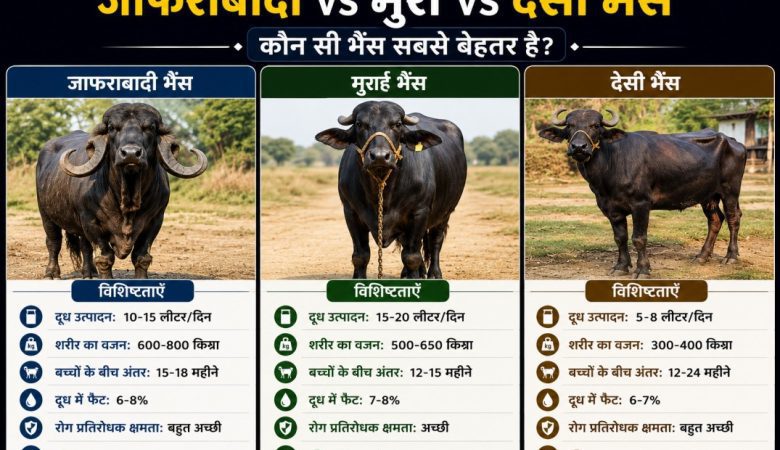
Jaffarabadi vs Murrah vs Deshi Bhains Behtar kon ?
Jaffarabadi vs Murrah vs Deshi Bhains: Kaun Si Bhains Sabse Behtar Hai? Complete Dairy Farmer Guide 2026
Jaffarabadi vs Murrah vs Deshi Bhains: Kaun Si Bhains Sabse Behtar Hai? Complete Dairy Farmer Guide 2026
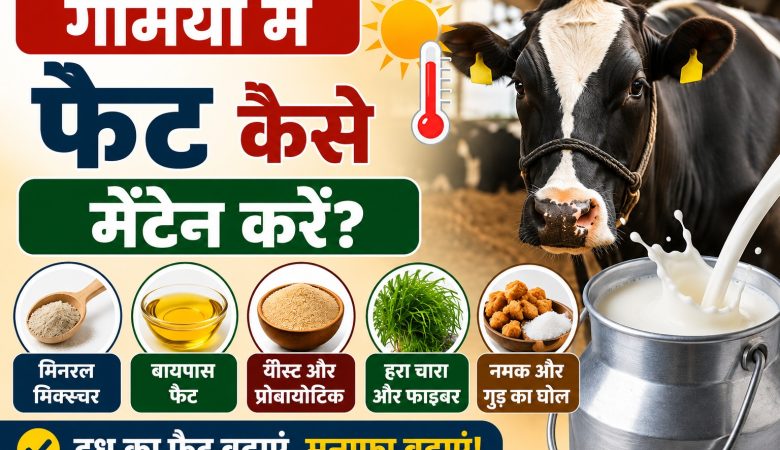
गर्मियों में पशुओं का दूध फैट क्यों घटता है ? जानिए कौन से सप्लीमेंट्स गर्मियों में दूध का फैट स्थिर रखने में सबसे ज्यादा असरदार हैं। जानिए गर्मियों में पशुओं का दूध फैट क्यों कम होता है और कौन से सप्लीमेंट्स जैसे बायपास फैट, मिनरल मिक्सचर और यीस्ट सबसे ज्यादा असरदार हैं। गर्मियों के मौसम में डेयरी किसानों के सामने सबसे बड़ी चुनौती होती है—दूध के उत्पादन और ‘फैट’ में आने वाली गिरावट। डेयरी व्यवसाय में केवल दूध की मात्रा ही नहीं, बल्कि दूध का फैट प्रतिशत भी किसान की कमाई तय करता है। अक्सर देखा जाता है कि गर्मियों में पशु कम चारा खाते हैं, ज्यादा पानी पीते हैं और हीट स्ट्रेस के कारण उनका पाचन तंत्र प्रभावित होने लगता है। इसका सीधा असर दूध की गुणवत्ता और फैट प्रतिशत पर पड़ता है। इस ब्लॉग में हम जानेंगे: गर्मियों में दूध का फैट क्यों कम होता है कौन से सप्लीमेंट्स सबसे ज्यादा असरदार हैं क्या खिलाने से फैट प्रतिशत स्थिर रहता है किन गलतियों से बचना चाहिए गर्मियों में दूध का फैट कम क्यों होता है? गर्मी में पशु तेजी से सांस लेते हैं और शरीर की गर्मी बाहर निकालने की कोशिश करते हैं। इससे उनके पेट यानी Rumen का pH बिगड़ने लगता है। जब Rumen में एसिडिटी बढ़ती है तो: फाइबर का पाचन कम हो जाता है चारा कम पचता है पशु की भूख घटती है दूध का फैट प्रतिशत गिरने लगता है इसके मुख्य कारण हरे चारे की कमी सूखे भूसे की कम मात्रा अत्यधिक गर्मी असंतुलित दाना मिनरल्स की कमी साफ पानी की कमी गर्मियों में दूध का फैट बढ़ाने के सबसे अच्छे सप्लीमेंट्स मिनरल मिक्सचर (Chelated Mineral Mixture) गर्मी में पशु के शरीर से पसीने के जरिए कई जरूरी मिनरल्स बाहर निकल जाते हैं। अच्छी गुणवत्ता वाला मिनरल मिक्सचर शरीर का संतुलन बनाए रखता है। फायदे दूध का फैट स्थिर रखता है पाचन सुधारता है कमजोरी कम करता है प्रजनन क्षमता बनाए रखता है कितनी मात्रा दें? प्रतिदिन 50–60 ग्राम प्रति पशु देना लाभकारी माना जाता है। बायपास फैट (Bypass Fat) गर्मियों के लिए यह सबसे प्रभावी सप्लीमेंट माना जाता है। यह सीधे छोटी आंत में पचता है और पशु को अतिरिक्त ऊर्जा देता है। फायदे दूध में फैट प्रतिशत बढ़ाने में मदद वजन गिरने से बचाव हीट स्ट्रेस कम करने में सहायक दूध उत्पादन बनाए रखने में मदद कितनी मात्रा दें? 100–150 ग्राम प्रतिदिन कई बड़े डेयरी फार्म गर्मियों में नियमित रूप से बायपास फैट का उपयोग करते हैं। यीस्ट और प्रोबायोटिक सप्लीमेंट गर्मी में पशु का पाचन कमजोर हो जाता है। लाइव यीस्ट और प्रोबायोटिक्स पेट के अच्छे बैक्टीरिया को सक्रिय रखते हैं। फायदे फाइबर पाचन बेहतर भूख बढ़ाने में मदद दूध की गुणवत्ता सुधार प्राकृतिक रूप से फैट प्रतिशत बढ़ाने में मदद रेशेदार हरा चारा बढ़ाएं सिर्फ दाना बढ़ाने से दूध फैट नहीं बढ़ता। फैट के लिए फाइबर बहुत जरूरी होता है। क्या खिलाएं? बरसीम लोबिया घास अजोला सूखा भूसा मक्का चारा विशेष सुझाव अजोला और लोबिया गर्मियों में दूध उत्पादन और फैट दोनों के लिए लाभकारी माने जाते हैं। नमक और गुड़ का घोल गर्मी में शरीर में पानी और इलेक्ट्रोलाइट्स की कमी हो जाती है। कैसे दें? 1 बाल्टी पानी में: 20–30 ग्राम नमक 200–250 ग्राम गुड़ मिलाकर देने से पशु को ऊर्जा मिलती है और गर्मी का तनाव कम होता है। गर्मियों में दूध फैट स्थिर रखने के लिए जरूरी प्रबंधन ठंडा और साफ पानी हमेशा उपलब्ध रखें पशु के पास 24 घंटे स्वच्छ और ठंडा पानी होना चाहिए। चारा खिलाने का समय बदलें दोपहर की गर्मी में चारा न दें। सबसे सही समय सुबह जल्दी देर शाम बिनौला खल संतुलित मात्रा में दें पारंपरिक रूप से बिनौला खल दूध फैट बढ़ाने में मददगार मानी जाती है। लेकिन: अधिक मात्रा नुकसान कर सकती है संतुलित मात्रा में ही दें किन गलतियों से बचें? ❌ केवल दाना बढ़ाना❌ गर्म पानी पिलाना❌ दिन में धूप में चारा देना❌ फाइबर की कमी❌ मिनरल मिक्सचर बंद करना निष्कर्ष गर्मियों में दूध की मात्रा के साथ-साथ उसका फैट प्रतिशत बनाए रखना भी बेहद जरूरी है। सही सप्लीमेंट्स और संतुलित आहार के जरिए किसान गर्मियों में होने वाले नुकसान को काफी हद तक कम कर सकते हैं। यदि आप: बायपास फैट मिनरल मिक्सचर यीस्ट सप्लीमेंट रेशेदार हरा चारा का सही उपयोग करते हैं, तो दूध की गुणवत्ता और डेयरी से होने वाला मुनाफा दोनों बेहतर हो सकते हैं। एक स्वस्थ और तनावमुक्त पशु ही डेयरी फार्मिंग में असली लाभ देता है। Q1. गर्मियों में दूध का फैट क्यों कम हो जाता है? गर्मी में पशु कम चारा खाते हैं और हीट स्ट्रेस के कारण पाचन प्रभावित होता है, जिससे फैट प्रतिशत घट जाता है। Q2. दूध का फैट बढ़ाने के लिए सबसे अच्छा सप्लीमेंट कौन सा है? बायपास फैट और मिनरल मिक्सचर सबसे प्रभावी सप्लीमेंट माने जाते हैं। Q3. क्या केवल दाना बढ़ाने से दूध फैट बढ़ता है? नहीं। फैट बढ़ाने के लिए रेशेदार चारा और सही पाचन जरूरी होता है। Q4. क्या अजोला गर्मियों में फायदेमंद है? हाँ, अजोला प्रोटीन और पोषण से भरपूर होता है और दूध उत्पादन व फैट दोनों में मदद करता है। गर्मी में पशु क्यों नहीं खरीदे जाते? गर्मियों में पशु देखभाल के जरूरी उपाय डेयरी फार्म में मिनरल मिक्सचर का महत्व पशुओं के लिए बायपास फैट कब और कितना दें? एक सफल डेरी बनाने के लिए दूध की गुणवत्ता बनाये रखना बहुत ज़रूरी है , और दूध की गुणवत्ता और दूध का भाव सीधे फैट प्रतिशत पर निर्भर करता है ! अगर आपको दूध फेट मैनेज करने में परेशानी आ रही है तो आप हमारा TabelaWala App डाउनलोड कर सकते है ! जो स्मार्ट पशु पालक पशु सम्बंधित कोई भी मेडिकल समस्या का निराकरण सीधे पशु डाक्टर द्वारा app के माध्यम से उपलब्ध है ! परेशान पशु पालक से स्मार्ट पशु पालक बनने का सफ़र अभी शुरू करे TabelWala App अभी डाउनलोड करे ! App Download करने के लिए निचे दिए गये बटन पर क्लिक करे ! TabelaWala App से जुड़ने के लिए आप अपनी जानकारी दर्ज करे ! हमारी टीम आपसे जल्द ही संपर्क करेगी ! Please enable JavaScript in your browser to complete this form.Please
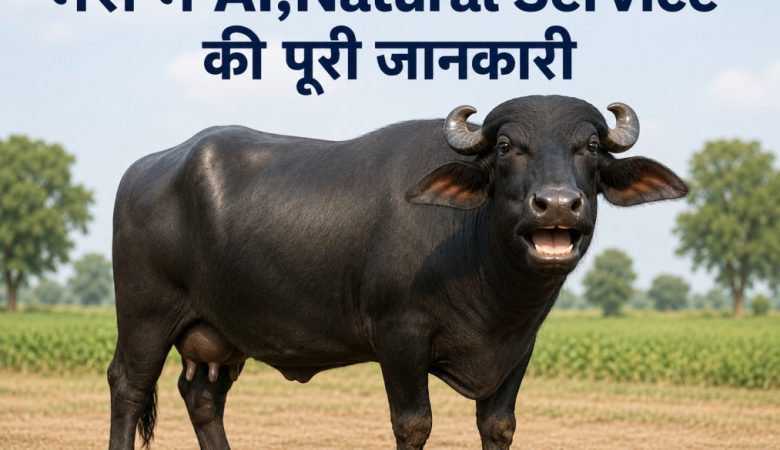
भैंस में AI (Artificial Insemination) और प्राकृतिक सर्विस की पूरी जानकारी सही समय, हीट के लक्षण, सावधानियाँ और Veterinary Tips भैंस को सही समय पर गर्भित करवाना डेयरी फार्मिंग का सबसे महत्वपूर्ण हिस्सा माना जाता है। अगर Heat (हीट) सही समय पर पहचानी जाए और सही समय पर AI (Artificial Insemination) या Natural Service करवाई जाए, तो pregnancy rate काफी बढ़ जाता है। आज आधुनिक डेयरी फार्मिंग में अधिकतर पशुपालक AI तकनीक का उपयोग कर रहे हैं क्योंकि इससे नस्ल सुधार, दूध उत्पादन और पशु प्रबंधन बेहतर होता है। इस ब्लॉग में हम आसान भाषा में समझेंगे: AI क्या होता है हीट के सही लक्षण AI करवाने का सही समय जरूरी सावधानियाँ AI Fail होने के कारण Pregnancy Check कब करें Veterinary डॉक्टरों द्वारा दी जाने वाली जरूरी सलाह AI (Artificial Insemination) क्या होता है? AI यानी कृत्रिम गर्भाधान। इसमें उच्च गुणवत्ता वाले सांड (Bull) का वीर्य वैज्ञानिक तरीके से भैंस के गर्भाशय में डाला जाता है। यह प्रक्रिया प्रशिक्षित AI Technician या Veterinary Doctor द्वारा की जाती है। AI के फायदे अच्छी नस्ल के बच्चे प्राप्त होते हैं दूध उत्पादन बढ़ाने में मदद मिलती है बीमारी फैलने का खतरा कम रहता है सांड पालने का खर्च बचता है Controlled Breeding संभव होती है Natural Service क्या होती है? जब भैंस को प्राकृतिक तरीके से सीधे सांड द्वारा गर्भाधान किया जाता है, उसे Natural Service कहते हैं। Natural Service के फायदे गाँव स्तर पर आसान व्यवस्था Heat timing थोड़ी गलत होने पर भी pregnancy chance रहता है नुकसान बीमारी फैलने का खतरा खराब नस्ल का जोखिम Injury होने की संभावना Bull management महंगा पड़ सकता है भैंस में Heat (हीट) के मुख्य लक्षण Heat पहचानना सबसे जरूरी काम होता है। गलत Heat पहचानने पर AI fail हो सकता है। शारीरिक लक्षण बार-बार रंभाना बेचैनी खाना कम करना दूध उत्पादन थोड़ा कम होना पूंछ बार-बार उठाना योनि लाल और सूजी हुई दिखना पारदर्शी चिपचिपा mucus निकलना व्यवहारिक लक्षण दूसरी भैंसों पर चढ़ना दूसरी भैंस को अपने ऊपर चढ़ने देना बार-बार पेशाब करना मालिक के पास अधिक घूमना Delivery के बाद Heat कब आती है? सामान्यतः Delivery के 60–90 दिन बाद पहली अच्छी Heat आती है। Heat Cycle कितने दिन का होता है? भैंस का सामान्य Heat Cycle लगभग: 21 days heat cycle { days heat cycle}21 days heat cycle यानी लगभग हर 18–24 दिन में Heat दोबारा आ सकती है। AI करवाने का सही समय Veterinary Doctors के अनुसार सही Timing सबसे ज्यादा महत्वपूर्ण होती है। AM–PM Rule सुबह Heat दिखे → शाम को AI शाम को Heat दिखे → अगले दिन सुबह AI Ideal AI Timing 12 to 16 hours after onset of heat12to 16 hours after onset of heat 12 to 16 hours after onset of heat Heat शुरू होने के लगभग 12–16 घंटे बाद AI करवाना सबसे बेहतर माना जाता है। AI करवाने से पहले जरूरी तैयारी पशु की शारीरिक स्थिति भैंस Healthy होनी चाहिए ज्यादा कमजोर या ज्यादा मोटी न हो बुखार या बीमारी नहीं होनी चाहिए सही पोषण Mineral Mixture Calcium Phosphorus हरा चारा सूखा चारा संतुलित दाना अतिरिक्त सपोर्ट Salt Lick आवश्यकता अनुसार Bypass Fat AI की पूरी प्रक्रिया (Step-by-Step) Step 1: Heat Confirm करना सही Heat पहचानना सबसे जरूरी है। Step 2: सफाई पीछे का हिस्सा साफ करें गंदगी हटाएँ Step 3: Semen Straw तैयार करना Liquid Nitrogen Tank से Straw निकाली जाती है गर्म पानी में Thaw किया जाता है Step 4: AI Gun तैयार करना Straw को AI Gun में लगाया जाता है। Step 5: Semen Deposition प्रशिक्षित Technician Rectal Method से वीर्य गर्भाशय के पास छोड़ता है। AI करवाते समय कौन-कौन सी सावधानियाँ रखें? सही Heat पहचानें गलत समय पर AI सबसे बड़ा Failure कारण है। केवल प्रशिक्षित Technician बुलाएँ गलत AI से: बच्चेदानी में चोट Infection Repeat Breedingहो सकती है। साफ-सफाई रखें गंदे उपकरण उपयोग न करें पीछे का हिस्सा साफ रखें Heat Stress कम रखें गर्मी में conception rate कम हो जाता है। क्या करें? सुबह या रात में AI करवाएँ ठंडा पानी उपलब्ध रखें पंखा / Fogger उपयोग करें पशु को छाया में रखें AI के बाद सावधानी 24–48 घंटे तक: लंबी यात्रा न करवाएँ ज्यादा दौड़ाएँ नहीं Stress कम रखें Natural Service में जरूरी सावधानियाँ अगर सांड से चढ़वा रहे हैं तो: Healthy Bull चुनें Disease-free Bull हो फिसलन वाली जमीन न हो एक Heat में 1–2 Service काफी होती है AI Fail होने के मुख्य कारण सबसे आम कारण: गलत Heat Timing कमजोर Semen Technician की गलती Mineral Deficiency बच्चेदानी में Infection Heat Stress कमजोर Body Condition Pregnancy Check कब करवाएँ? Kit Test Timing AI कराने के २८-३५ दिन के भीतर किट से गर्भधारण हुआ या नही चेक किया जा सकता है ! Manual Pregnancy Diagnosis (PD) ai कराने के 60-90 दिनों के बिच Veterinary Doctor द्वारा Manual PD करवाना सबसे विश्वसनीय माना जाता है। Pregnant होने के शुरुआती संकेत Heat दोबारा नहीं आना Appetite बढ़ना स्वभाव शांत होना दूध उत्पादन स्थिर रहना गर्मी में AI करवाते समय विशेष Veterinary Advice गर्मी के मौसम में conception rate कम हो सकता है। क्या करें? सुबह जल्दी AI करवाएँ साफ और ठंडा पानी दें Heat Stress कम रखें Shade और Ventilation अच्छा रखें भैंस को जल्दी गर्भित करने के 10 जरूरी Veterinary Tips Heat सही पहचानें सही समय पर AI करवाएँ Mineral Mixture रोज दें Deworming करवाएँ Vaccination समय पर करें Heat Stress कम रखें बच्चेदानी का Infection चेक करें Body Condition Score Maintain रखें साफ पानी हमेशा दें Experienced AI Technician बुलाएँ AI और Natural Service में कौन बेहतर है? विषय AI Natural Service नस्ल सुधार बहुत अच्छा सीमित बीमारी जोखिम कम ज्यादा खर्च कम Bull maintenance महंगा Pregnancy Rate सही Timing पर अच्छा Moderate Management वैज्ञानिक पारंपरिक निष्कर्ष आज के समय में वैज्ञानिक डेयरी फार्मिंग के लिए AI सबसे बेहतर विकल्प माना जाता है। लेकिन इसकी सफलता पूरी तरह निर्भर करती है: सही Heat Detection सही Timing अच्छा Nutrition Stress Management Proper Pregnancy Diagnosis अगर ये सभी चीजें सही तरीके से की जाएँ, तो conception rate और future milk production दोनों बेहतर हो सकते हैं। पशु पालन में और खास करके उनसे प्राप्त होने दूध की मात्रा को बनाये रखने के लिए

गर्मी में पशुओं का ध्यान कैसे रखें? जानिए वो ज़रूरी बातें जो हर पशुपालक को पता होनी चाहिए मई-जून की तपती धूप और लू का असर सिर्फ इंसानों पर नहीं, बल्कि हमारे पशुओं पर भी उतना ही पड़ता है, बल्कि कई बार उनसे भी ज़्यादा। एक पशुपालक की आमदनी सीधे उसके पशु की सेहत से जुड़ी होती है। अगर पशु बीमार पड़ा, दूध कम हुआ, या भगवान न करे कोई बड़ी तकलीफ आई तो नुकसान सिर्फ जेब का नहीं, दिल का भी होता है। TabelaWala लेकर आया है आपके लिए जरूरी जानकारी, जिससे आप इस गर्मी अपने पशुओं को स्वस्थ, सुरक्षित और तंदुरुस्त रख सकें। 1. छाया और हवादार शेड — पहली और सबसे ज़रूरी शर्त गर्मी में पशुओं की देखभाल की शुरुआत होती है उनके रहने की जगह से। पशुओं को सीधी धूप में बाँधना सबसे बड़ी गलती है। शेड की छत पर सफेद रंग करवाएँ या घास-फूस या पराली की 3-4 इंच मोटी परत बिछाएं। इस पर समय-समय पर पानी छिड़कने से अंदर का तापमान 5 से 7 डिग्री तक कम हो जाता है। पर्दे और वेंटिलेशन: दोपहर के समय तबेले की खुली दिशाओं में जूट की बोरियों के पर्दे लगाएं और उन्हें गीला रखें। इससे अंदर आने वाली हवा ठंडी हो जाती है। 2. पानी — जितना सोचते हैं, उससे कहीं ज़्यादा ज़रूरी है गर्मी में एक दुधारू गाय या भैंस को प्रतिदिन 80-100 लीटर पानी की आवश्यकता हो सकती है। पानी की टंकी को छायादार स्थान पर रखें। पशु गर्म पानी पीना पसंद नहीं करते, जिससे उनमें डिहाइड्रेशन (पानी की कमी) हो जाती है। ध्यान रखें: पानी की नाँद या खुरली को रोज़ साफ करें — गंदे पानी से पेट की बीमारियाँ फैलती हैं दिन में कम से कम 3-4 बार पशुओं के शरीर पर पानी का छिड़काव करें देसी नुस्खा: पानी में थोड़ा गुड़ और नमक मिलाएं। यह प्राकृतिक इलेक्ट्रोलाइट का काम करता है और पशुओं को अंदर से ऊर्जा देता है। 3. आहार में बदलाव — गर्मी में खान-पान का सही तरीका गर्मी में पशु का पाचन तंत्र कमज़ोर पड़ जाता है। इसलिए भारी और सूखा चारा कम करें और हरे चारे की मात्रा बढ़ाएँ। बरसीम, नेपियर घास और ज्वार जैसा हरा चारा पशु को ठंडक और नमी दोनों देता है। आहार में 30-50 ग्राम मिनरल मिक्सचर रोज़ाना ज़रूर मिलाएँ। इलेक्ट्रोलाइट पाउडर पानी में घोलकर देने से हीट स्ट्रेस का असर कम होता है। पशुओं को चारा खिलाने का सबसे सही समय सुबह 5 बजे से पहले और रात को 8 बजे के बाद है। दोपहर में उन्हें केवल हल्का हरा चारा ही दें। 4. बीमारियों से बचाव — लापरवाही पड़ती है भारी अगर आपका पशु मुँह खोलकर सांस ले रहा है, लार अधिक गिरा रहा है या खाना बिल्कुल बंद कर दिया है, तो यह ‘लू’ के लक्षण हो सकते हैं। ऐसी स्थिति में तुरंत पशु चिकित्सक से संपर्क करें और पशु के सिर पर ठंडी पट्टी रखें। क्या करें: गर्मी से पहले FMD और अन्य संक्रामक रोगों का टीकाकरण ज़रूर करवाएँ — सरकारी पशु चिकित्सालय में यह मुफ्त मिलता है। पशुशाला में हफ्ते में एक बार कीटाणुनाशक दवा का छिड़काव करें। 5. साफ-सफाई — बीमारी को दरवाज़े से ही रोकें गर्मी में गंदगी से बीमारियाँ दोगुनी रफ्तार से फैलती हैं। पशुशाला की रोज़ाना सफाई करें, गोबर और मूत्र को जमा न होने दें। मक्खी और मच्छर इस मौसम में सबसे ज़्यादा होते हैं और ये कई बीमारियों के वाहक होते हैं। नीम के पत्तों का धुआँ या नीम का तेल पशुशाला में लगाने से कीड़े-मकोड़े दूर रहते हैं। 6. हीट स्ट्रेस के लक्षण पहचानें — वक्त पर पहचान, वक्त पर इलाज पशुपालक को यह पता होना चाहिए कि हीट स्ट्रेस कब हो रहा है। इन लक्षणों पर नज़र रखें: पशु का बार-बार मुँह खोलना और तेज़ साँस लेना शरीर का तापमान 39.5 डिग्री सेल्सियस से ऊपर जाना चारा और पानी बिल्कुल छोड़ देना अचानक दूध उत्पादन में तेज़ गिरावट पशु का एक जगह बैठे रहना और उठने में आनाकानी करना अगर ये लक्षण दिखें तो पशु को तुरंत ठंडी जगह ले जाएँ, ठंडे पानी से नहलाएँ और पशु चिकित्सक को बुलाएँ। गर्मी में पशुओं की सुरक्षा कोई मुश्किल काम नहीं है बस थोड़ी सजगता और नियमित देखभाल चाहिए। सही छाया, पर्याप्त पानी, संतुलित आहार, समय पर टीकाकरण और साफ-सफाई, ये बातें अगर आपने अपना ली, तो आपका पशु इस गर्मी में भी स्वस्थ, सुरक्षित और उत्पादक बना रहेगा। याद रखिए — स्वस्थ पशु ही समृद्ध पशुपालक की नींव है। अगर आप भी पशुपालन, डेयरी फार्मिंग और पशु प्रबंधन से जुड़ी ऐसी ही उपयोगी और जानकारीपूर्ण बातें जानना चाहते हैं, तो TabelaWala के साथ जुड़े रहिए।
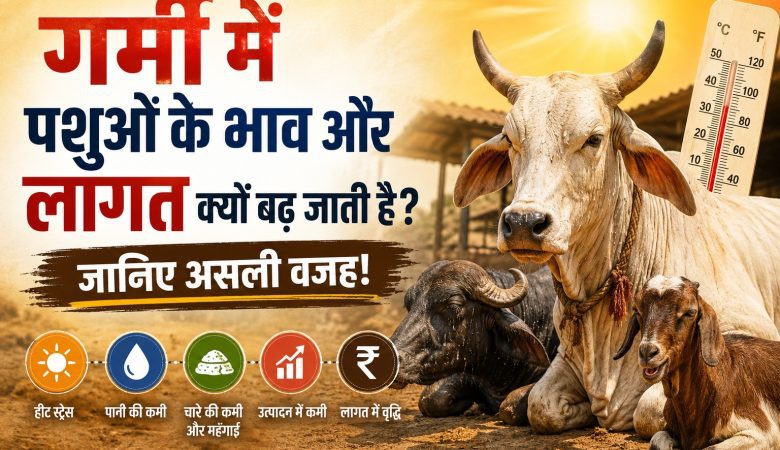
गर्मी में पशुओं के भाव और लागत क्यों बढ़ जाती है? जानिए असली वजह! अप्रैल का महीना शुरू होते ही हर पशुपालक के मन में एक ही सवाल उठता है — “भाईसाहब, इस बार गाय-भैंस इतनी महंगी क्यों हो गई?” या फिर “मेरी लागत हर साल गर्मी में इतनी क्यों बढ़ जाती है?” अगर आप भी यही सोचते हैं, तो आप अकेले नहीं हैं। भारत के लाखों पशुपालकों के साथ हर साल यही होता है। आइए इस ब्लॉग के माध्यम से जानते हैं इसके प्रमुख कारण: 1. हरे चारे की किल्लत — सबसे बड़ी वजह गर्मी के मौसम में सबसे बड़ा असर हरे चारे पर पड़ता है। मार्च से जून के बीच खेतों में हरे चारे की उपलब्धता कम हो जाती है। बरसीम, जई और अन्य हरे चारे खत्म होने लगते हैं, जिससे किसान को बाजार से महंगा चारा खरीदना पड़ता है। उदाहरण के तौर पर: सर्दियों में जो हरा चारा ₹2-3 प्रति किलो मिलता है, वही गर्मियों में ₹5-7 प्रति किलो तक पहुंच जाता है। इसके अलावा भूसा, दाना और मिनरल मिक्सचर की कीमत भी बढ़ जाती है। यही कारण है कि डेयरी फार्मिंग लागत बढ़ने लगती है। 2. पानी की खपत और पानी का खर्च गर्मी में एक स्वस्थ गाय या भैंस को सामान्य से 30-40% ज़्यादा पानी चाहिए होता है। डेयरी विशेषज्ञों के अनुसार, तापमान बढ़ने से पशुओं के शरीर में पानी की कमी (Dehydration) जल्दी होती है, जिससे दूध उत्पादन सीधे प्रभावित होता है। जहाँ पानी की सुविधा कम है — खासकर उत्तर प्रदेश, मध्यप्रदेश और राजस्थान के छोटे किसानों को — वहाँ टैंकर या बोरवेल का अतिरिक्त खर्च भी जुड़ जाता है। यह छोटा लगता है, पर महीने भर में यह खर्च ₹1,000 से ₹3,000 तक आसानी से पहुँच सकता है। 3. हीट स्ट्रेस — जब पशु खाना कम कर दे यह सबसे अनदेखी लेकिन सबसे नुकसानदेह वजह है। हीट स्ट्रेस में पशु चारा कम खाने लगते हैं, सुस्त हो जाते हैं और उनका दूध उत्पादन 10-25% तक गिर सकता है। पशु चिकित्सक कुंवर घनश्याम (KVK, नोएडा) के अनुसार, तेज तापमान में पशु का पाचन तंत्र कमज़ोर पड़ जाता है। इसे संभालने के लिए पशुपालक को खास मिनरल सप्लीमेंट, इलेक्ट्रोलाइट्स और ठंडक के उपाय करने पड़ते हैं — जो सीधे लागत बढ़ाते हैं। 4. बीमारियाँ और दवाओं का खर्च गर्मी में पशुओं की रोग प्रतिरोधक क्षमता कमज़ोर हो जाती है। FMD (Foot and Mouth Disease), mastitis, और पेट की बीमारियाँ इसी मौसम में सबसे ज़्यादा देखने को मिलती हैं। इलाज में पशु चिकित्सक की फीस, दवाइयाँ और एंटीबायोटिक्स का खर्च जोड़ें — एक बीमार पशु आपको ₹2,000 से ₹10,000 तक का नुकसान करा सकता है। ऊपर से अगर पशु बीमार है तो दूध बंद — यानी दोहरा घाटा। 5. शेड और कूलिंग का इंतज़ाम अब ज़माना बदल रहा है। जागरूक पशुपालक गर्मी से पशुओं को बचाने के लिए कूलर, पंखे, स्प्रिंकलर और छाया का इंतज़ाम करते हैं। इसका खर्च भी costing में जुड़ता है। एक छोटे डेयरी फार्म में 2 कूलर और 3 पंखे चलाने पर बिजली का बिल ₹1,500-₹2,500 प्रतिमाह अतिरिक्त आ सकता है। गर्मी के 3 महीने — यानी सीधे ₹5,000-₹7,500 बढ़ जाता है। 6. Supply कम, Demand ज़्यादा = भाव में उछाल गर्मी में दूध उत्पादन कम होने से बाज़ार में दूध की supply घट जाती है, लेकिन demand उतनी ही रहती है। इससे दूध के दाम बढ़ते हैं — और जब दूध महंगा होता है, तो दुधारू पशुओं की market value भी बढ़ जाती है। गर्मी में कमजोर पशु जल्दी प्रभावित हो जाते हैं, जबकि अच्छी नस्ल के healthy cattle अपेक्षाकृत बेहतर प्रदर्शन करते हैं। इस वजह से: HF गाय जर्सी क्रॉस मुर्रा भैंस हाई मिल्किंग cattle की मांग बढ़ जाती है। यही कारण है कि गर्मियों में अच्छी दुधारू गाय या भैंस खरीदना महंगा पड़ता है। तो क्या करें पशुपालक? पशुओं को सुबह-शाम ही चराएँ, दोपहर में ठंडे शेड में रखें 30-50 ग्राम मिनरल सप्लीमेंट रोज़ दें ताज़ा और साफ पानी हर समय उपलब्ध रखें बरसीम, ज्वार और नेपियर घास जैसे हरे चारे का स्टॉक पहले से तैयार करें पशु का बीमा करवाएँ ताकि अचानक नुकसान से बचाव हो गर्मी में पशुओं के भाव और लागत का बढ़ना कोई संयोग नहीं, यह supply-demand, चारे की कमी, heat stress और बढ़ती देखरेख की लागत का मिला-जुला परिणाम है। अगर आप पहले से तैयारी करें तो इस नुकसान को काफी हद तक कम किया जा सकता है। पशुपालन से जुड़ी ऐसी ही जानकारी और डेयरी management tips के लिए जुड़े रहिए TabelaWala के साथ। क्योंकि जब बात हो पशु की — तो भरोसा हो TabelaWala का!
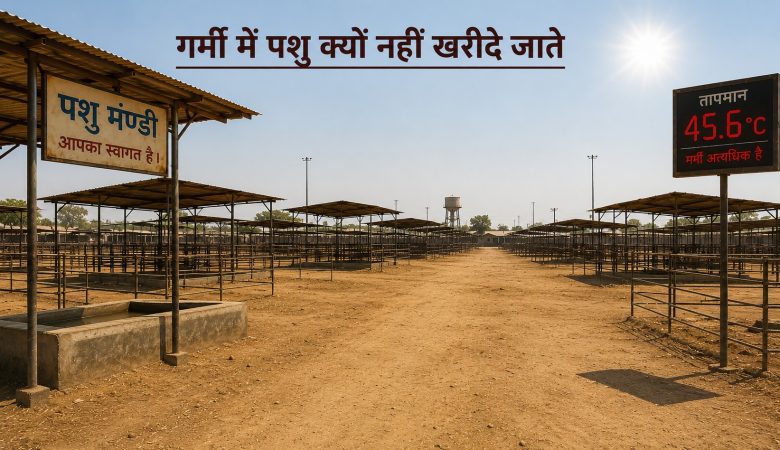
गर्मी में पशु क्यों नहीं खरीदे जाते ? जानें इसके पीछे के वैज्ञानिक और व्यावहारिक कारण ! पशुपालन का व्यवसाय भारत में सदियों से आय का एक मुख्य स्रोत रहा है। लेकिन क्या आपने कभी गौर किया है कि जैसे ही पारा 40 डिग्री के पार पहुँचता है, पशु मंडियों में सन्नाटा क्यों पसरने लगता है? अनुभवी डेयरी किसान और व्यापारी अक्सर सलाह देते हैं कि “जेठ की तपती दुपहरी में गाय-भैंस का सौदा नहीं करना चाहिए।” 1. हीट स्ट्रेस का सीधा असर — दूध उत्पादन में भारी गिरावट गर्मी में नया पशु खरीदने का सबसे बड़ा नुकसान यह है कि हीट स्ट्रेस के कारण दुधारू पशुओं की दूध देने की क्षमता 20% से 50% तक घट सकती है। बिहार सरकार के पशु संसाधन विभाग के अनुसार, जब पशु लू की चपेट में आता है, तो यह गिरावट अचानक और तेज़ होती है। नया पशु पहले से ही नए माहौल में तनाव में होता है — उस पर गर्मी का दबाव उसे और कमज़ोर बना देता है। 2. नए पशु की रोग प्रतिरोधक क्षमता कमज़ोर पड़ जाती है जब कोई पशु एक जगह से दूसरी जगह लाया जाता है, तो उसे पहले से ही ट्रांसपोर्ट स्ट्रेस झेलना पड़ता है। इस स्थिति में गर्मी का तीव्र प्रहार उसकी रोग प्रतिरोधक क्षमता को कमज़ोर कर देता है। NDDB (National Dairy Development Board) के अनुसार, हीट स्ट्रेस के कारण पशुओं में संक्रामक रोगों का खतरा बढ़ जाता है। मतलब, आपने महंगा पशु खरीदा और पशु-चिकित्सक के चक्कर शुरू! 3. गर्मी में पशु सही तरीके से खाना नहीं खाता एक अनुभवी पशुपालक जानता है कि “पशु की असली ताकत उसके खाने में है।” गर्मियों में पशु चारा कम खाने लगता है, प्यास ज़्यादा लगती है, और शरीर को ज़रूरी पोषण नहीं मिल पाता। इसका असर सीधे दूध की गुणवत्ता, वज़न और प्रजनन क्षमता पर पड़ता है। नया पशु जो पहले से किसी और की देखभाल में था, वह आपके नए माहौल में और भी धीरे-धीरे ढलता है — इस प्रक्रिया में महीनों की बर्बादी हो सकती है। 4. पशु की सही पहचान करना गर्मी में मुश्किल होता है गर्मी में पशु परख करना बहुत कठिन होता है। गर्मी में पशु सुस्त, थका हुआ और कम सक्रिय दिखता है — इससे उसकी असली उत्पादन क्षमता का अंदाज़ा लगाना लगभग नामुमकिन हो जाता है। एक स्वस्थ और चुस्त पशु भी हीट स्ट्रेस में आलसी लग सकता है, और बीमार पशु की पहचान और भी मुश्किल हो जाती है। इस गलत पहचान में आप लाखों का नुकसान उठा सकते हैं। 5. परिवहन के दौरान जान का ख़तरा गर्मी में लंबी दूरी का पशु परिवहन जानलेवा साबित हो सकता है। तेज़ धूप, बंद वाहन और पानी की कमी से पशु को हीट स्ट्रोक हो सकता है। पशुपालन विशेषज्ञों की सलाह है कि गर्मी के मौसम में दोपहर 12 से 4 बजे के बीच पशुओं को लंबी दूरी तक ले जाना अत्यंत खतरनाक होता है। कई बार पशु रास्ते में ही दम तोड़ देते हैं। तो फिर पशु खरीदने का सही समय कब है? अनुभवी पशुपालकों और पशु चिकित्सकों के अनुसार, पशु खरीदने का सबसे सही समय सितंबर से फरवरी के बीच होता है। इस दौरान मौसम अनुकूल होता है पशु की सही परख हो सकती है नए माहौल में ढलना आसान होता है दूध उत्पादन स्थिर रहता है रोग का खतरा कम होता है पशु खरीदना एक बड़ा निवेश है, और गलत समय पर लिया गया फैसला आपके मुनाफे को नुकसान में बदल सकता है। इसलिए समझदारी इसी में है कि भीषण गर्मी के निकल जाने का इंतजार करें और अपने पशुओं को लू और तापघात से बचाएं। क्या आप भी पशुपालन से जुड़ी ऐसी ही महत्वपूर्ण जानकारियां और टिप्स पाना चाहते हैं? डेयरी फार्मिंग को आधुनिक और मुनाफे का सौदा बनाने के लिए TabelaWala के साथ जुड़े रहें। हम आपके लिए लेकर आते हैं पशु स्वास्थ्य, नस्ल सुधार और बेहतर प्रबंधन से जुड़ी हर छोटी-बड़ी जानकारी।
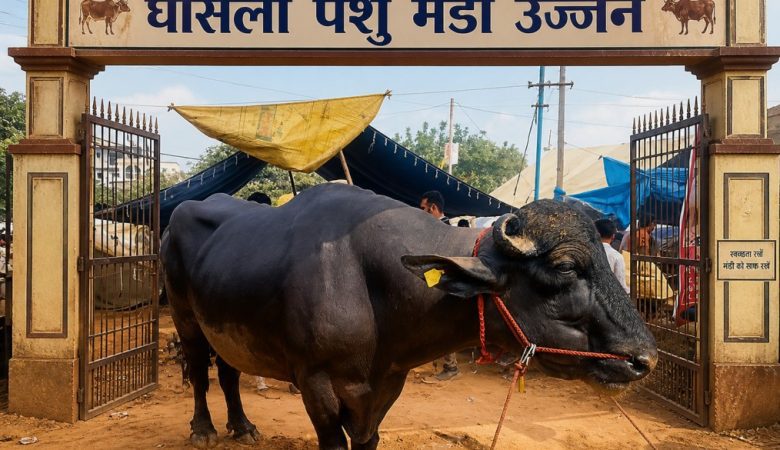
उज्जैन पशु मंडी (घोंसला भैंस बाजार) – पूरी जानकारी 2026 उज्जैन की घोंसला पशु मंडी मध्य प्रदेश की सबसे प्रसिद्ध भैंस मंडियों में से एक है, जहाँ उच्च गुणवत्ता वाली दुधारू भैंसें मिलती हैं।आज किसान पारंपरिक मंडी के साथ-साथ Tabelawala App जैसे डिजिटल प्लेटफॉर्म का उपयोग कर रहे हैं, जिससे खरीदना आसान और स्मार्ट हो गया है।
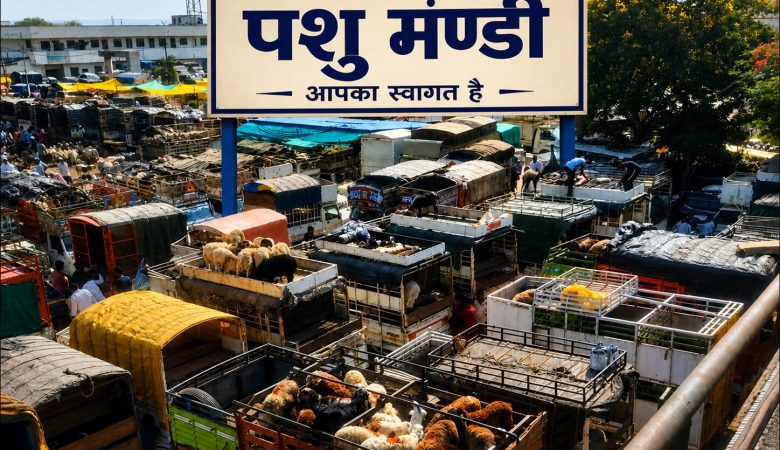
Agar Malwa Pashu Mela पूरी जानकारी | Location, Date, Price & Buying Guide (2026) Agar Malwa Pashu Mela क्या है? Agar Malwa Pashu Mela मध्य प्रदेश की सबसे बड़ी और प्रसिद्ध पशु मंडियों में से एक है, जहाँ हर साल हजारों पशुओं की खरीद-फरोख्त होती है। यह मेला किसानों, व्यापारियों और डेयरी फार्मिंग करने वालों के लिए एक बड़ा ट्रेडिंग प्लेटफॉर्म है। LOCATION Agar Malwa Pashu Mela Location जिला: Agar Malwa मुख्य स्थान: मेला ग्राउंड (शहर के पास) वैकल्पिक क्षेत्र: Nalkheda यह किसी एक फिक्स गाँव में नहीं लगता, बल्कि बड़े खुले मैदान में आयोजित होता है। TIMING Agar Malwa Pashu Mela कब लगता है? साल में 1 बार बड़ा मेला रबी / खरीफ के बाद त्योहारों के आसपा इसके अलावा छोटी साप्ताहिक मंडियां भी लगती रहती हैं। ANIMALS यहाँ कौन-कौन से पशु मिलते हैं Icon List गाय (देसी + क्रॉसब्रीड) भैंस (मुर्रा, जाफराबादी) बैल बकरी भेड मालवी नस्ल यहाँ की खास पहचान है। PRICE ₹40,000 → ₹1,50,000+ दुधारू क्षमता के अनुसार कीमत बदलती है WHY FAMOUS Agar Malwa Pashu Mela क्यों प्रसिद्ध है बड़ी मंडी कई नस्लें डायरेक्ट किसान डीलमोलभाव RISKS नुकसान और जोखिम गलत जानकारी बीमारी का खतरा कोई गारंटी नहीं बचाव खरीदते समय: दूध निकालकर देखें उम्र चेक करें डॉक्टर से जांच करवाएं Tabelwala app से भी पशु खरीदी कर सकते है ! HOW TO REACH Agar Malwa कैसे पहुँचे Ujjain → 70–80 km Indore → 120 km हाईवे कनेक्टिविटी BEST DAY STRATEGY सबसे सही दिन कौन सा है Best Quality पहले 2–3 दिन ज्यादा विकल्प Best Price आखिरी 1–2 दिन सस्ता Avoid भीड़ वाले दिन PRO TIPS Beginner:Day 1 → रिसर्चDay 2 → खरीद Expert:Day 1 → तुरंत deal आखिर इस झंझट से बचने के लिए क्या करे Smart Farmer बनें – सही जगह से खरीदें TabelaWala app को चुने अगर आप बिना रिस्क के सही पशु खरीदना चाहते हैंतो ऑनलाइन प्लेटफॉर्म जैसे Tabelawala App का उपयोग करें ज्यादा विकल्प सही जानकारी कम रिस्क CONCLUSION निष्कर्ष : Agar Malwa Pashu MelaMP की सबसे बड़ी पशु मंडियों में से एक है,लेकिन बिना अनुभव खरीदना जोखिम भरा हो सकता है। Smart किसान वही है जो सही जानकारी के साथ खरीद करता है। आज ही स्मार्ट डेरी फार्मर बने और TabelaWala App download करे ! App download करने के लिए क्लिक करे !तबेला वाला की अनुभवी टीम से जुड़ने के लिए अभी फार्म भरे ! Please enable JavaScript in your browser to complete this form.Please enable JavaScript in your browser to complete this form. Name * FirstLast Mobile Number *Enter Your Number Submit
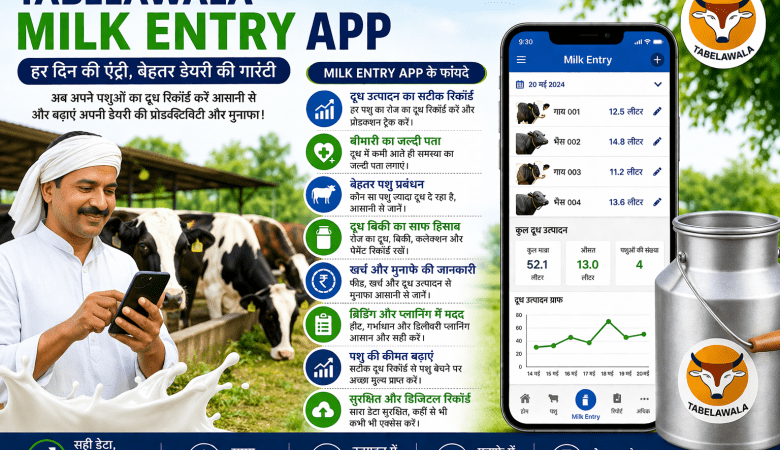
Tabelawala App में Free Daily Milk Entry फीचर: हर डेयरी किसान के लिए सबसे ज़रूरी टूल आज की आधुनिक डेयरी फ़ार्मिंग सिर्फ मेहनत से नहीं चलती, बल्कि डाटा और सही रिकॉर्ड मैनेजमेंट पर निर्भर करती है।किसान अगर रोज़ दूध का हिसाब नहीं रखता तो उसे यह पता ही नहीं चलता कि कौन-सा पशु कितना दूध दे रहा है, कहाँ नुकसान हो रहा है या कौन-सी बीमारी शुरू हो गई है। Free Daily Milk Entry फीचर क्यों ज़रूरी है? यह फीचर किसान को पशु उत्पादन, बीमारी, खर्च, बिक्री और मुनाफ़े का पूरा डेटा एक ही जगह देता है।नीचे इसके सभी महत्वपूर्ण फायदे विस्तार से बताए गए हैं: ✅ 1. हर पशु के दूध उत्पादन का सही रिकॉर्ड Daily Milk Entry से किसान को मिलता है: प्रत्येक गाय/भैंस का रोज़ाना दूध रिकॉर्ड किस दिन कितना दूध निकला किस पशु की उत्पादन क्षमता बढ़ रही है या कम हो रही है यह डेटा किसान को सही निर्णय लेने में मदद करता है। ✅ 2. बीमारी और समस्या का जल्दी पता चलता है दूध कम होना अक्सर किसी बीमारी या पोषण की कमी का पहला संकेत होता है।Milk Entry के डेटा से किसान तुरंत पहचान सकता है— पशु को बुखार खुराक में कमी तनाव मौसम का प्रभाव यानी समस्या बढ़ने से पहले ही उसका समाधान हो जाता है। ✅ 3. दुधारू पशुओं की असली परफॉर्मेंस समझें Milk Entry फीचर से किसान यह जान सकता है: कौन-सा पशु लगातार अच्छा दूध दे रहा है किसकी दूध देने की क्षमता कम हो रही है किसे high-quality feed चाहिए किस पशु से भविष्य में ज्यादा फायदा होगा यह डेयरी फार्म की profitability बढ़ाने में मदद करता है। ✅ 4. दूध बेचने का साफ़ और सटीक हिसाब Tabelawala App में रोज़ का डेटा होने से किसान आसानी से देख सकता है— किस दिन कितना दूध निकला कितना दूध बेचा गया कितना घर में उपयोग हुआ कैलेंडर और ग्राफ़ में पूरा हिसाब अब दूध व्यापार में कोई गड़बड़ी या अनुमान लगाने की ज़रूरत नहीं। 5. Breeding और Farm Planning आसान Milk Data से किसान पहचान सकता है: Lactation Peak कब आता है किस पशु को dry period देना है किसे अगली बार गाभिन कराना है उत्पादन किस दिशा में जा रहा है इसके आधार पर पूरी फार्म मैनेजमेंट वैज्ञानिक तरीके से चलती है। 6. खर्च और मुनाफ़ा आसानी से गिनें Milk Entry + Feed Cost जोड़कर किसान जान सकता है— कौन-सा पशु फायदा दे रहा है किस पर ज्यादा खर्च हो रहा है कौन सा पशु loss में है यह पूरा फार्म का Profit Analysis आसान बनाता है। 7. पशु बेचते समय High Price मिले अगर आपके पास 6–12 महीने का दूध रिकॉर्ड है तो खरीदार को साफ़ पता चलता है: “यह पशु सच में इतना दूध देता है।” इससे मंडी या ऑनलाइन दोनों जगह आपका पशु 20–30% ज्यादा कीमत में बिक सकता है। 8. पूरा Dairy Farm Digitally व्यवस्थित Tabelawala App में आपको मिलता है: रोज़ का डिजिटल रिकॉर्ड ग्राफ़ और रिपोर्ट सुरक्षित डेटा स्टोरेज Dairy Farm का पूरा डिजिटल मैनेजमेंट यानी आधुनिक और स्मार्ट डेयरी फ़ार्मिंग। निष्कर्ष: Daily Milk Entry = ज़्यादा उत्पादन + कम नुकसान + ज़्यादा मुनाफ़ा अगर आप अपने डेयरी व्यवसाय को आधुनिक बनाना चाहते हैं और बिना गलती के हिसाब रखना चाहते हैं, तो Tabelawala App का Daily Milk Entry फीचर आपके लिए अनिवार्य है। यह आपके फार्म को: संगठित लाभदायक और पूरी तरह डिजिटल बना देता है। Please enable JavaScript in your browser to complete this form.Please enable JavaScript in your browser to complete this form. Name * FirstLast Mobile Number *Enter Your Number Submit
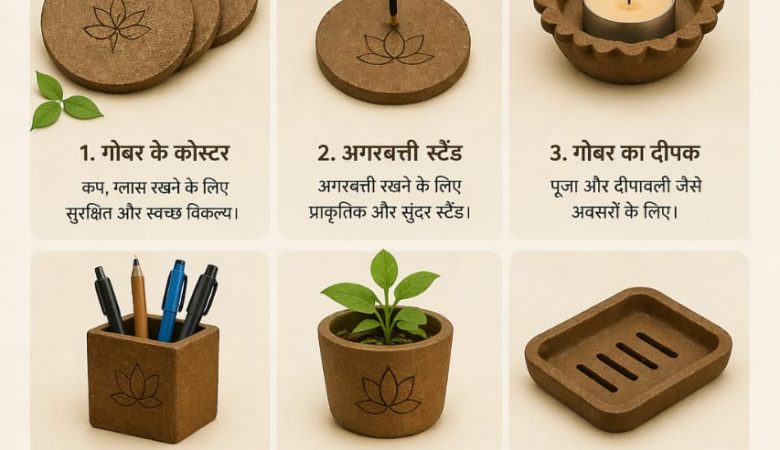
गोबर (Cow Dung) के उपयोग और बिज़नेस आइडिया – पूरी जानकारी (2026) जानिए गोबर (cow dung) के उपयोग, बायोगैस, ऑर्गेनिक खाद और बिज़नेस आइडिया से कैसे किसान ₹50,000+ महीना कमा सकते हैं। भारत जैसे कृषि प्रधान देश में गाय और भैंस केवल दूध तक सीमित नहीं हैं, बल्कि उनका गोबर भी एक महत्वपूर्ण आर्थिक संसाधन है। सही जानकारी और थोड़ी प्लानिंग के साथ किसान गोबर से अतिरिक्त आय का मजबूत स्रोत बना सकते हैं। गोबर से ऑर्गेनिक खाद (Organic Fertilizer) गोबर का सबसे पारंपरिक और उपयोगी इस्तेमाल है खाद बनाना। कैसे बनता है? गोबर + सूखा कचरा + पानी मिलाकर कम्पोस्ट बनाया जाता है 30–45 दिनों में तैयार हो जाता है ! फायदे: मिट्टी की उर्वरता बढ़ाता है केमिकल खाद की जरूरत कम करता है फसल की क्वालिटी सुधारता है कमाई कैसे करें ? पैक करके ₹2–₹5/kg में बेच सकते हैं और बड़े स्तर पर ₹50,000+/महीना तक कमा सकते हैं। बायोगैस प्लांट (Biogas Business) गोबर से गैस बनाकर आप ऊर्जा भी बना सकते हैं। उपयोग: खाना बनाने (LPG का विकल्प) बिजली उत्पादन मोटर/जनरेटर चलाना एक्स्ट्रा फायदा: बचा हुआ स्लरी = हाई क्वालिटी खाद सरकारी सब्सिडी भी मिलती है ( PM Kusum / NABARD योजनाएं ) ऑर्गेनिक फार्मिंग इनपुट गोबर से कई नेचुरल प्रोडक्ट बनते हैं: जीवामृत घन जीवामृत वर्मी कम्पोस्ट यह सभी आज ऑर्गेनिक खेती में बहुत डिमांड में है ! गोबर से ईंधन (कंडे / उपले) ग्रामीण क्षेत्रों में गोबर के कंडे आज भी: खाना बनाने उद्योग में धार्मिक कार्यों में कम लागत में अच्छा मुनाफा निर्माण और फर्श (Eco Construction) घरों की दीवार/फर्श पर लेप ठंडा वातावरण बनाए रखता है एंटी-बैक्टीरियल गुण गोबर से बने प्रोडक्ट (High Profit Business ) लोकप्रिय प्रोडक्ट: गोबर के दीये अगरबत्ती हवन सामग्री गोबर लॉग (लकड़ी का विकल्प) त्योहारों में भारी डिमांड (दीवाली, पूजा) गोबर से कमाई का पूरा मॉडल (Income Model) अगर आपके पास 5 गाय हैं: 1 गाय = ~10 kg गोबर/दिन 5 गाय = 50 kg/दिन कमाई: खाद: ₹3/kg × 50 = ₹150/दिन महीने का = ₹4,500+ प्रोडक्ट बनाकर → ₹15,000–₹50,000/महीना पशु लोन लेकर बिज़नेस कैसे शुरू करें? लोन का उपयोग: मार्केटिंग कैसे करें? WhatsApp / Facebook पर लोकल प्रमोशन कृषि मंडी / नर्सरी में सप्लाई Amazon / Flipkart पर लिस्टिंग लोकल दुकानों से टाई-अप निष्कर्ष गोबर सिर्फ एक वेस्ट नहीं, बल्कि एक गोल्डन रिसोर्स है। सही उपयोग से किसान: खेती सुधार सकते हैं खर्च कम कर सकते हैं नई इनकम बना सकते हैं स्मार्ट किसान वही है जो दूध के साथ गोबर से भी कमाई करे पशु लोन लेकर अपना डेयरी बिज़नेस शुरू करें Please enable JavaScript in your browser to complete this form.Please enable JavaScript in your browser to complete this form. Name * FirstLast Mobile Number *Enter Your Number Submit







Got Questions? Call us 10:00AM to 6:00PM