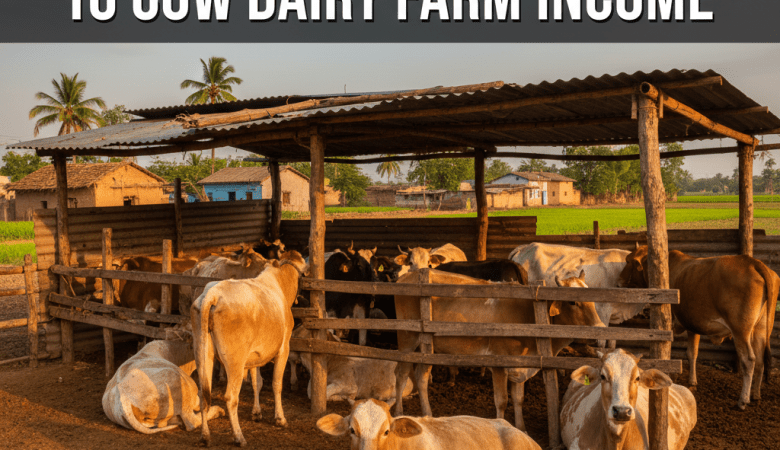
10 Cow Dairy Farm Income

10 Cow Dairy Farm Income

Dairy Farming Business Plan: Complete Cost, Expenses, and Profit Calculation Introduction 10 Cow Dairy Farm Income , Dairy farming has always been the backbone of rural India, and today many young entrepreneurs are considering it as a profitable business opportunity. But before starting, one important question comes to mind: How much investment is required? What are the annual expenses? And most importantly, how much profit can be earned? In this blog, we will go through a detailed calculation for starting a dairy farm with 10 cows. You’ll get a clear idea about the initial investment, running costs, revenue, and net profit so that you can plan your dairy farm without any financial loss. Lorem ipsum dolor sit amet, consectetur adipiscing elit. Ut elit tellus, luctus nec ullamcorper mattis, pulvinar dapibus leo. Initial Investment To set up a small dairy farm, you need cows, proper infrastructure, and some basic machinery. Here’s the breakdown: Cows Purchase: One cow costs around ₹50,000. For 10 cows = ₹5,00,000 Infrastructure (shed, water, basic facilities): ₹3,00,000 Machinery (milking machine, chaff cutter, etc.): ₹2,00,000 👉 Total Initial Investment = ₹10,00,000 Annual Expenses Running a dairy farm requires recurring expenses every year. Let’s calculate: 1. Feed and Fodder Each cow consumes around 20 kg of feed per day. Yearly requirement = 7300 kg (per cow). For 10 cows = 73,000 kg. At an average cost of ₹30 per kg = ₹2,19,000. Including green fodder cultivation or rented land, the total feed and fodder expense is around ₹3,00,000. 2. Veterinary and Medicines Vaccinations, medicines, and regular check-ups = ₹50,000/year 3. Labor Cost One worker can easily manage 10 cows. Average salary = ₹12,000–₹15,000 per month Total = ₹1,50,000/year 4. Miscellaneous Expenses Small activities like maintenance, rituals, visitors, etc. = ₹50,000/year Revenue from Dairy Farm One cow gives on average 10 liters of milk per day. Lactation period = 300 days/year Per cow = 3000 liters annually 10 cows = 30,000 liters/year If milk is sold at ₹40 per liter: 👉 Total Revenue = ₹12,00,000/year Net Profit Total Revenue: ₹12,00,000 Total Expenses: ₹5,80,000 Net Profit = ₹6,20,000/year Return on Investment (ROI) he formula is: Profit ÷ Investment × 100 = 6,20,000 ÷ 10,00,000 × 100= 62% ROI This means dairy farming with 10 cows can give you more than 60% annual returns, making it one of the most profitable rural businesses. Key Highlights Investment required for 10 cows = ₹10 lakh Yearly running cost = ₹5.8 lakh Net annual profit = ₹6.2 lakh ROI = 62% → Highly profitable business model Conclusion Dairy farming is not just a traditional livelihood but also a highly profitable business opportunity if planned correctly. With the right investment and proper management, you can earn a steady income while building a sustainable business. Though the initial setup cost is higher, the long-term profit and strong ROI make dairy farming a golden opportunity for aspiring entrepreneurs. Frequently Asked Questions (FAQ) How much investment is required to start a dairy farm with 10 cows? Starting a dairy farm with 10 cows requires an investment of around ₹10 lakh, including cow purchase, shed construction, and machinery. What are the annual expenses of a 10-cow dairy farm? The yearly expenses are around ₹5.8 lakh, which includes feed, fodder, veterinary care, labor, and miscellaneous costs. How much milk does one cow produce per year? On average, one cow produces about 3,000 liters of milk annually (10 liters per day for 300 days). How much profit can a 10-cow dairy farm generate? A 10-cow dairy farm can generate an annual net profit of approximately ₹6.2 lakh. What is the ROI (Return on Investment) in dairy farming? The ROI is about 62% annually, making dairy farming a highly profitable business opportunity. Starting a dairy farm with 10 cows requires an investment of around ₹10 lakh, including cow purchase, shed construction, and machinery. The yearly expenses are around ₹5.8 lakh, which includes feed, fodder, veterinary care, labor, and miscellaneous costs. On average, one cow produces about 3,000 liters of milk annually (10 liters per day for 300 days). A 10-cow dairy farm can generate an annual net profit of approximately ₹6.2 lakh. The ROI is about 62% annually, making dairy farming a highly profitable business opportunity. 👉 Apply for a Cattle Loan. TabelaWala – White Gold Livestock Pvt. Ltd. — Empowering farmers, Please enable JavaScript in your browser to complete this form.Please enable JavaScript in your browser to complete this form. Name * FirstLast Mobile Number *Enter Your Number Submit
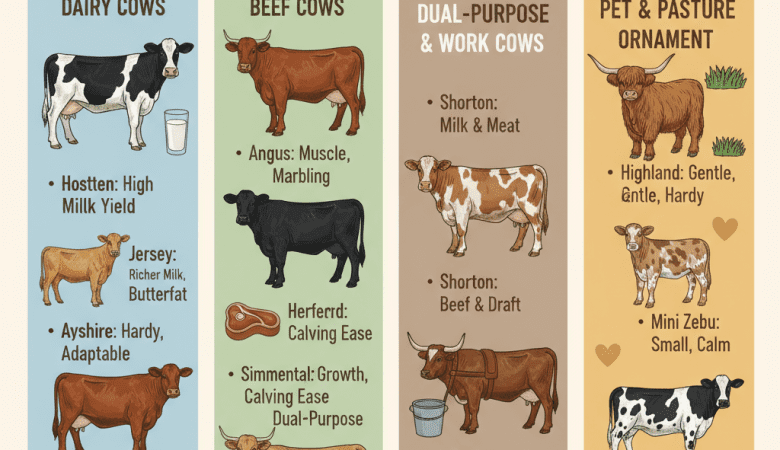
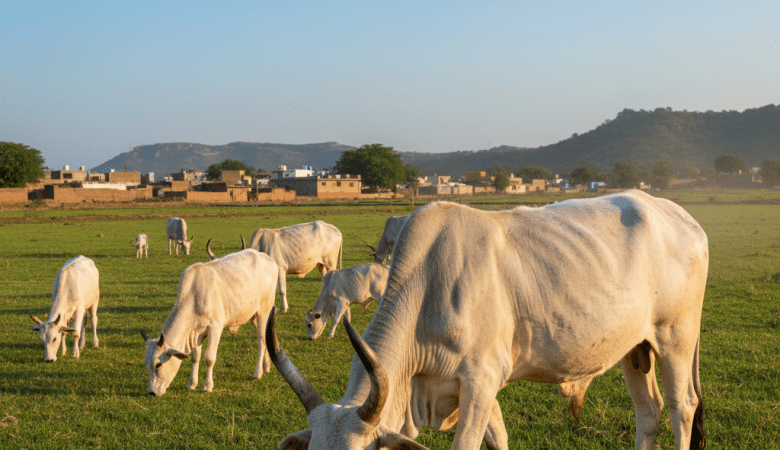
Cow Selection Guide

How to Select a High-Quality Cow Choosing the right cow for your farm is one of the most critical decisions for maximizing milk production and ensuring long-term herd health. While breed and genetics are important, physical characteristics often provide the most immediate insight into an animal’s potential. This guide walks you through the essential traits to consider when selecting a cow, based on practical experience and expert observation. Understanding the Importance of Physical Traits When evaluating cows, the physical traits offer clues about: Milk production capacity Reproductive health Longevity and durability Overall health and fitness A cow may look healthy at first glance, but careful assessment of body structure, joints, and other features reveals whether it will thrive and produce consistently. Head and Face Structure The first thing to observe is the cow’s face: For Holstein cows, the upper part of the face should be shorter, and the lower portion longer. This proportion is an indicator of good breed characteristics and overall vitality. Next, examine the ears: they should be of medium size—not too large, not too small. Medium-sized ears are often a sign of balanced genetics and a healthy animal. Skin and Body Condition Skin thickness and texture are strong indicators of internal health: Thick, supple skin suggests the cow can store fat efficiently and convert it into energy and milk. Avoid extremely thin or overly loose skin, as this may indicate poor health or low milk production potential. Check the shoulder area: A well-attached, slightly outward shoulder indicates strength. Joints that are too loose or wide apart may signal age or structural weakness, limiting milk production and longevity. Chest and Lung Capacity The chest size and structure are directly linked to milk production: A deep and broad chest allows for better lung capacity. Large lungs enhance oxygen intake and improve blood circulation, supporting higher milk yield. Check for water accumulation or swelling; this could indicate liver or other health issues. Leg Structure and Joints Front and hind legs are critical for mobility and comfort: Proper spacing ensures the cow can stand comfortably while grazing and feeding. Examine the pastern joints: a firm, straight bone with no pink lines indicates stability and long-term health. Front legs ideally have a spacing of four fingers, and hind legs two fingers, ensuring the cow can support her weight without strain. Hip and Pelvis Assessment The hips and pelvic area are essential for reproduction: Check the spacing between the last two ribs and the hip bones; it should allow at least three fingers comfortably. A soft, flexible pelvic area ensures easy calving. Narrow or stiff hips can lead to complications during delivery and reduced milk production. Udder and Milk Vein Structure The udder, or milk well, is directly related to lactation potential: The udder should be proportionate to the cow’s body, not too small or excessively large. Milk veins should be well-defined and slightly twisted; this allows efficient blood flow and nutrient transport to the mammary glands. Strong veins correlate with higher milk production. Muscular Structure Muscle development is an important indicator of overall health: A muscular cow with thin, firm skin is more likely to convert feed into energy and milk efficiently. Fatty, soft cows may appear large but often have lower productivity. Key Parameters Summary When evaluating a cow for purchase or breeding, focus on: Face: proportioned and indicative of breed Ears: medium size Skin: thick and supple Shoulders: tight and properly attached Chest: broad and deep, no water accumulation Legs and joints: straight, proper spacing, no pink lines Hips and pelvis: soft and wide enough for calving Udder and milk veins: large, well-defined, and healthy Muscle structure: firm and muscular, not overly fatty Practical Insights Practical experience often matters more than theoretical knowledge. Observing cows in the field allows you to: Understand their actual milk production potential Assess reproductive health Gauge comfort and longevity Identify any hidden structural issues For instance, cows with proper udder structure and muscular development consistently deliver higher milk yield for longer periods. What physical traits should I look for when buying a dairy cow? You should check the cow’s udder size, milk veins, chest depth, hip width, leg structure, and skin condition. These traits indicate milk yield potential, health, and reproductive efficiency. How do I know if a cow will produce more milk? Cows with large, well-attached udders, visible milk veins, broad chest, and muscular but not fatty bodies generally produce higher milk yields. Why is chest size important in dairy cows? A broad and deep chest indicates large lungs and better oxygen intake, which improves blood circulation and directly supports higher milk production. Which cows are best for dairy farming in India? Popular high-milk yielding breeds include Holstein Friesian, Jersey, Sahiwal, Gir, and Murrah buffaloes. However, physical traits are equally important when selecting individual cows. How can I ensure easy calving when selecting a cow? Choose cows with a wide and soft pelvic structure, proper hip spacing, and strong legs. Narrow hips or stiff joints may cause calving difficulties. Is body fat good or bad for dairy cows? Excess body fat reduces productivity. Instead, look for muscular cows with firm skin, as they efficiently convert feed into milk rather than just body mass. What is the role of milk veins in a cow? Prominent and twisted milk veins indicate efficient blood flow to the udder, which is essential since cows need about 300–500 liters of blood circulation to produce just 1 liter of milk. You should check the cow’s udder size, milk veins, chest depth, hip width, leg structure, and skin condition. These traits indicate milk yield potential, health, and reproductive efficiency. Cows with large, well-attached udders, visible milk veins, broad chest, and muscular but not fatty bodies generally produce higher milk yields. A broad and deep chest indicates large lungs and better oxygen intake, which improves blood circulation and directly supports higher milk production. Popular high-milk yielding breeds include Holstein Friesian, Jersey, Sahiwal, Gir, and Murrah buffaloes. However, physical traits are equally

Hariana Cattle Breed: Milk, Characteristics, Price & Benefits for Farmers

Introduction India is home to several indigenous cattle breeds that have supported farmers for generations. One such important breed is the Hariana cattle, famous for both milk production and draught work. Originating mainly from Haryana, Uttar Pradesh, and Rajasthan, this breed has earned the trust of dairy farmers due to its strength, adaptability, and quality milk. At Tabelawala, we not only help farmers buy and sell Hariana cattle but also provide loan services for cattle purchase, ensuring farmers can grow their dairy business with ease. Origin & Distribution The Hariana breed gets its name from the state of Haryana, where it is most commonly found. Farmers from Haryana, Punjab, Uttar Pradesh, Bihar, and parts of Rajasthan prefer this breed due to its hardiness and disease resistance. Physical Characteristics of Hariana Cattle Colour: Usually white to light grey, with males darker around the neck and hindquarters. Build: Strong, medium to large frame with a straight back. Head: Narrow and long with short, pointed horns. Hump: Well-developed in males. Legs: Strong and straight, suitable for field work. Milk Production Hariana cows are dual-purpose – good for both milk and draught power. Average Milk Yield: 8–10 litres per day (in good conditions, up to 15 litres). Milk Quality: Rich in fat (around 4.5–5%), making it excellent for ghee and other dairy products. Draught Power Hariana bullocks are very popular for ploughing fields and cart pulling due to their strength, endurance, and adaptability in hot climates. Benefits of Hariana Cattle for Farmers Dual-purpose use – both milk and farm work. Low maintenance compared to exotic breeds. Adaptability – thrives well in Indian climate. Disease resistance – less prone to tropical diseases. Good resale value – high demand among farmers. Hariana Cow Price in India The price of Hariana cows depends on factors like milk capacity, age, and health. Average Price Range: ₹40,000 – ₹80,000 High-yielding cows can go beyond ₹1,00,000. At Tabelawala, we ensure farmers get healthy Hariana cattle at fair prices, with transparent deals. Tabelawala – Your Trusted Cattle Partner At Tabelawala, we provide:✅ Buy & Sell Cattle Services – A trusted platform for farmers to purchase or sell Hariana cattle and other Indian breeds.✅ Cattle Loan Facility – Farmers can get easy loans to buy cattle and expand their dairy business.✅ Expert Guidance – We help farmers choose the right breed according to their needs. Our mission is to support Indian dairy farmers by giving them the best cattle and financial support. FAQs What is the average milk yield of Hariana cows? Hariana cows give around 8–10 litres of milk per day, with some high-yielding cows producing up to 15 litres. Why are Hariana cattle popular among farmers? They are dual-purpose, good for both milk and draught work, and adapt well to Indian conditions. What is the price of Hariana cow in India? Generally between ₹40,000 to ₹80,000, depending on milk yield, age, and health.   How does Tabelawala help farmers? Tabelawala provides a platform for cattle buying & selling and also offers loan services to help farmers purchase cattle. Is Hariana breed good for small farmers? Yes, it is low maintenance, disease resistant, and affordable, making it suitable for small and marginal farmers. Hariana cows give around 8–10 litres of milk per day, with some high-yielding cows producing up to 15 litres. They are dual-purpose, good for both milk and draught work, and adapt well to Indian conditions. Generally between ₹40,000 to ₹80,000, depending on milk yield, age, and health.   Tabelawala provides a platform for cattle buying & selling and also offers loan services to help farmers purchase cattle. Yes, it is low maintenance, disease resistant, and affordable, making it suitable for small and marginal farmers. 👉 Apply for a Cattle Loan. TabelaWala – White Gold Livestock Pvt. Ltd. — Empowering farmers, Please enable JavaScript in your browser to complete this form.Please enable JavaScript in your browser to complete this form. Name * FirstLast Mobile Number *Enter Your Number Submit
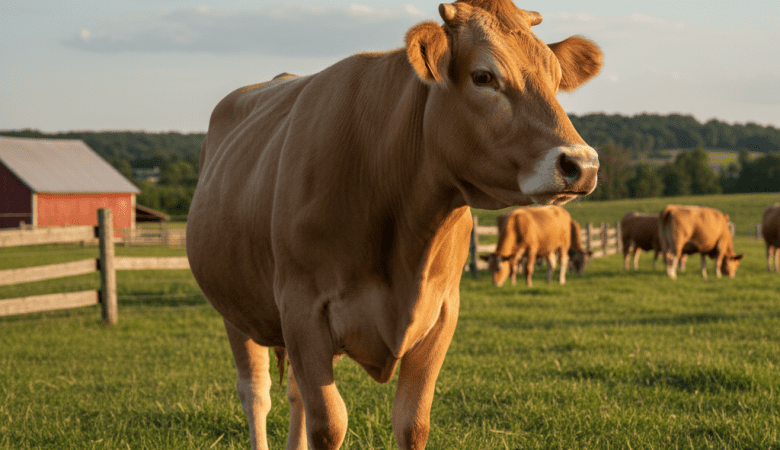
Brown Swiss Cow: Milk Production, Breed Details, and Price

Brown Swiss Cow – The Gentle Giant of Dairy Farming When we talk about the world’s best dairy cow breeds, the Brown Swiss cow holds a special place. Known for its calm temperament, high milk production, and strong adaptability, this breed has become popular among dairy farmers across the globe. In India, farmers are showing interest in Brown Swiss cattle because of their ability to produce high-quality milk rich in protein and butterfat, making it ideal for dairy products like cheese, paneer, and ghee. At Tabelawala, we understand the importance of choosing the right cattle for your dairy farm. That’s why we not only provide cattle buy and sell services but also offer loans for farmers on cattle purchase, making dairy farming easier and more profitable. Origin of Brown Swiss Cattle The Brown Swiss breed originated in Switzerland, particularly in the Alpine region. It is one of the oldest dairy cattle breeds in the world, with a history of more than 1000 years. Known for its light brown to dark brown coat, the breed is often called the “Gentle Giant” due to its large body size and calm nature. Physical Characteristics Colour: Light brown, grey-brown, or dark chocolate shade. Body: Large, muscular, and well-balanced. Average Weight: Cow: 600–700 kg Bull: 1000–1200 kg Horns: Small, forward-curved, sometimes dehorned. Nature: Gentle, calm, and easy to manage. Milk Production of Brown Swiss Cow One of the strongest reasons farmers prefer Brown Swiss is its milk yield. Average Milk Yield: 20–25 litres per day (can reach up to 35 litres in good management). Lactation Period: 305 days. Milk Quality: High in protein (3.5–4%) Good butterfat (4%) Excellent for cheese and paneer production. This makes Brown Swiss a dual-purpose breed – providing both quantity and quality of milk. Adaptability and Climate Suitability Brown Swiss cattle are highly adaptable to different climates. They can thrive in hot Indian weather as well as cooler regions. Their strong hooves and legs make them suitable for hilly and plain areas alike. Brown Swiss Cow Price in India The price of a Brown Swiss cow in India depends on its milk yield, age, and health condition. On average, the cost ranges between ₹80,000 to ₹1,50,000 per cow. Farmers should always buy from trusted sellers like Tabelawala to ensure genuine breed quality. Why Choose Tabelawala for Cattle Services? At Tabelawala, we are dedicated to helping farmers achieve success in dairy farming. ✅ Buy & Sell Cattle (Trusted Marketplace)✅ Cattle Loan Services (Easy Finance for Farmers)✅ Genuine Breed Assurance (Healthy & Productive Cows)✅ Expert Guidance on Dairy Farming With Tabelawala, your dairy farm journey becomes more affordable, reliable, and profitable. FAQs on Brown Swiss Cow What is the average milk yield of Brown Swiss cow in India? Brown Swiss cows produce 20–25 litres of milk per day, with high protein and butterfat content. Is Brown Swiss cow suitable for Indian climate? Yes, the breed is highly adaptable and performs well in Indian weather conditions. How much does a Brown Swiss cow cost in India? The price ranges from ₹80,000 to ₹1,50,000, depending on milk yield and age. Why should farmers choose Tabelawala for cattle purchase? Tabelawala ensures healthy breeds, transparent deals, and loan facilities, making cattle purchase easy for farmers. Can farmers get a loan on cattle from Tabelawala? Yes, we provide easy cattle loans to support farmers in expanding their dairy business. Brown Swiss cows produce 20–25 litres of milk per day, with high protein and butterfat content. Yes, the breed is highly adaptable and performs well in Indian weather conditions. The price ranges from ₹80,000 to ₹1,50,000, depending on milk yield and age. Tabelawala ensures healthy breeds, transparent deals, and loan facilities, making cattle purchase easy for farmers. Yes, we provide easy cattle loans to support farmers in expanding their dairy business. 👉 Apply for a Cattle Loan. TabelaWala – White Gold Livestock Pvt. Ltd. — Empowering farmers, Please enable JavaScript in your browser to complete this form.Please enable JavaScript in your browser to complete this form. Name * FirstLast Mobile Number *Enter Your Number Submit

High-Tech Dairy Farming

Introduction High-tech dairy farming is transforming traditional livestock practices into a modern, efficient, and highly productive industry. With advancements like automatic milking machines, smart feed mixers, animal grooming systems, and waste management technology, modern dairy farms ensure better cow comfort, hygiene, and milk yield. These innovative machines and systems not only save labor but also enhance the overall efficiency of the farm. In this blog, we’ll explore how smart dairy farming infrastructure, advanced dairy farm machines, and precise feed and water management are shaping the future of milk production while maintaining the perfect balance of technology and animal welfare. High-Tech Dairy Infrastructure High-Tech Dairy Infrastructure ensures modern sheds, automated milking, and smart management that improve cow comfort, hygiene, and milk yield. Automatic Milking Machines One of the most impressive advancements in dairy farming is the automatic milking machine. Designed for cows and buffaloes, this machine simplifies the milking process while ensuring hygiene and animal comfort. The machine carefully secures the animal in a bracket. Soft brushes vibrate to clean the teats thoroughly, preparing them for milking. Using laser technology, the suction cups automatically attach to the teats, and milk flows directly into a storage tank through pipes. Farmers can set a milk limit, and the machine stops automatically once the limit is reached. This not only reduces manual labor but also ensures consistent milk quality and quantity. Automatic Feed Mixers Feeding animals is another area where technology has made life easier. Automatic feed mixers collect feed from piles, mix it with essential minerals, and deliver it directly to the animals. Ensures proper nutrition for higher milk production. Mixes feed thoroughly before distributing it in front of the animals. Prevents feed wastage and ensures every animal gets its share. This type of machine is crucial for large farms where managing nutrition manually would be time-consuming and inefficient. Animal Grooming Machines Animal hygiene and grooming are essential for healthy livestock. Various machines cater to this need: Hair Cleaning Machines Used primarily for cows and buffaloes, these machines: Secure the animal safely. Clean the body and remove excess hair. Collected hair is processed into wool or other products. Automatic Brushing Machines These brushes provide a gentle massage for cows, improving blood circulation and relaxation. Animals voluntarily use the brush to massage themselves. Promotes healthy skin and increases milk yield. Cleaning and Waste Management Machines Large-scale dairy farms generate a significant amount of waste. Farming scrapers and hydraulic cleaners efficiently remove manure without harming the animals. This saves labor and maintains farm hygiene. One of the most impressive aspects of this farm is its sustainable waste recycling system: Cow dung separation: Machines separate solid and liquid waste. Vermicompost production: Solid dung is converted into compost, sold at ₹7/kg. Cow urine utilization: Liquid waste is used for organic farming and horticulture. Clean environment: Regular waste removal prevents odor and disease. Feed Handling and Storage Efficient feed management is key to livestock productivity. Several machines assist in this process: Bale Wrapping Machines: Preserve grass bundles by wrapping them in plastic to prevent spoilage from rain or sunlight. Feeder Machines: Open grass bales and evenly distribute feed to animals. Remote-Control Feed Pushers: Gather scattered feed and place it within the animals’ reach without disturbing them. Calf Feeding Machines (Futura Mirch Express) Designed for young calves: Dispense milk mixed with essential minerals for growth. Encourage healthy feeding habits. Reduce the risk of malnutrition or early weakness in calves. Machinery and Tools Farms in New Zealand are highly mechanized. Some of the key equipment include: Utility Bikes (Mini-tractors) – used to move around the farm quickly, pull small trolleys, or operate grass-measuring devices. Grass Measuring Device – calculates pasture height and quantity, helping farmers plan cattle feed. Feed Silos – large storage units that hold and dispense cattle feed. Calf Feeders – specialized containers with multiple nipples, allowing calves to drink milk simultaneously. Spraying Systems – contract-based, where companies handle crop spraying with precision, ensuring safety and efficiency. Water and Irrigation System Water management is crucial on a dairy farm. Here, a pivot irrigation system is installed across fields. These rotating sprinklers: Provide uniform rainfall-like irrigation. Operate on timers to distribute water evenly. Maintain soil moisture essential for grass growth. Animal Health and Care The farm has a dedicated section for animal healthcare, often referred to as the farm hospital. Here: Injured cows are treated. Hooves are cleaned. Vaccinations and injections are administered. Cows are monitored with sensors and tagging systems. If a cow shows signs of illness, it is automatically separated through drafting gates for inspection and treatment. Weather and Living Conditions One of the most fascinating aspects is that cows stay outdoors year-round—even during winters when temperatures drop as low as -8°C. With their natural resilience and proper feed, they continue grazing and producing milk without issues. What is high-tech dairy farming? High-tech dairy farming uses modern machines like automatic milking systems, feed mixers, grooming machines, and waste management tools to improve milk yield, animal comfort, and farm efficiency. How do automatic milking machines work? Automatic milking machines use sensors, lasers, and suction cups to milk cows hygienically. They clean teats, attach automatically, and stop once the milk limit is reached. What are the benefits of automatic feed mixers in dairy farms? Automatic feed mixers ensure balanced nutrition, prevent feed wastage, and save time by evenly mixing and distributing minerals and fodder to all animals. How is waste managed in modern dairy farms? Advanced dairy farms use scrapers, hydraulic cleaners, and recycling systems to separate cow dung and urine. Solid waste is turned into vermicompost, and liquid waste is used in organic farming. Do high-tech dairy farms improve milk production? Yes, modern machines like automatic milking systems, feed mixers, and grooming tools improve cow comfort, hygiene, and nutrition, which directly boosts milk yield and quality. What role does technology play in animal healthcare on dairy farms? Smart farms use sensors and tagging systems to monitor cows’ health. If an animal shows signs of illness, drafting gates

Murrah Buffalo: Complete Guide, Prices, Care & Benefits | Tabelawala

Introduction urrah Buffalo is one of India’s most prized buffalo breeds, famous for its high milk yield, adaptability, and sturdy build. Farmers across India prefer Murrah buffalo for dairy farming due to its superior genetics and excellent productivity. Origin & History: The Murrah breed originated in the Haryana and Punjab regions of India. Its reputation grew worldwide due to high-quality milk and resilience. Over decades, it has been selectively bred for dairy purposes. Physical Characteristics Color: Jet black, sometimes with white markings. Build: Compact, muscular, with a well-rounded body. Horns: Tightly curved, small to medium-sized. Height: 130-140 cm for bulls, 125-135 cm for cows. Weight: Bulls: 550-750 kg, Cows: 450-600 kg. Milk Production Murrah buffalo is known for high milk yield: Average 8-12 liters/day, some exceptional cows produce up to 15 liters/day. Milk is rich in fat (7-8%) and protein, making it ideal for dairy products like ghee and paneer. Diet & Care: Feed: Green fodder, grains, and silage. Housing: Clean, well-ventilated shed. Health: Regular vaccination, deworming, and check-ups. Water: Ample clean drinking water daily. Breeding & Lifespan: Reproduction: Cows reach maturity by 3-4 years; bulls by 2-3 years. Gestation: ~310 days. Lifespan: 12-18 years with proper care. Advantages of Murrah Buffalo: High milk yield with rich fat content. Strong adaptability to tropical climates. Resistant to common diseases. Excellent for crossbreeding programs. Price & Availability Murrah buffalo prices vary based on age, milk yield, and pedigree: Adult cows: ₹1,50,000 – ₹3,00,000 Adult bulls: ₹2,00,000 – ₹4,50,000 Tabelawala Services At Tabelawala, we offer: Cattle Sales & Purchase: Buy/sell Murrah buffalo with trusted quality. Loans for Farmers: Hassle-free cattle loans to support dairy farming. Expert Guidance: Tips on breeding, feeding, and healthcare. FAQ Section How much milk does a Murrah buffalo produce daily? On average, 8-12 liters/day, with some producing up to 15 liters/day. What is the ideal age for breeding Murrah buffalo? Cows at 3-4 years and bulls at 2-3 years. What is the lifespan of a Murrah buffalo? With proper care, 12-18 years. Can farmers get loans on Murrah buffalo from Tabelawala? Yes, Tabelawala provides hassle-free loans for cattle purchase. What is the price range of Murrah buffalo? Adult cows: ₹1.5 – 3 lakh, Adult bulls: ₹2 – 4.5 lakh depending on quality. On average, 8-12 liters/day, with some producing up to 15 liters/day. Cows at 3-4 years and bulls at 2-3 years. With proper care, 12-18 years. Yes, Tabelawala provides hassle-free loans for cattle purchase. Adult cows: ₹1.5 – 3 lakh, Adult bulls: ₹2 – 4.5 lakh depending on quality. 👉 Apply for a Cattle Loan. TabelaWala – White Gold Livestock Pvt. Ltd. — Empowering farmers, Please enable JavaScript in your browser to complete this form.Please enable JavaScript in your browser to complete this form. Name * FirstLast Mobile Number *Enter Your Number Submit
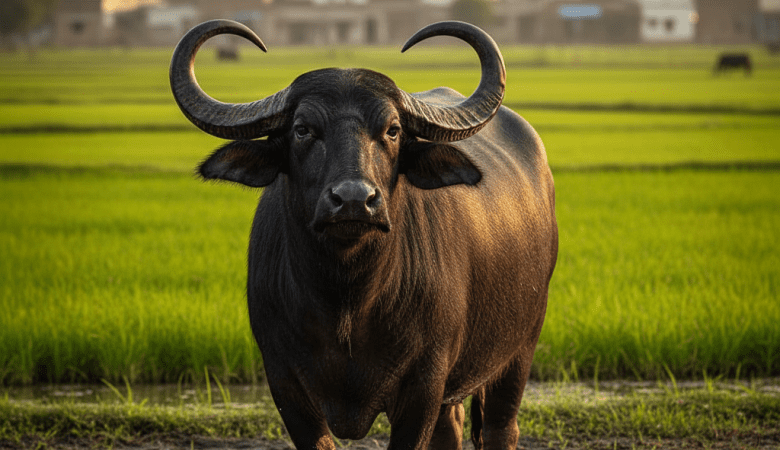
Jafarabadi Buffalo: Complete Guide for Farmers

Introduction Jafarabadi Buffalo is one of India’s top buffalo breeds, known for high milk yield and strong health. At Tabelawala, we buy and sell premium Jafarabadi Buffaloes and offer farmers easy cattle loans for smooth farming. Breed Overview Origin: Gujarat & Maharashtra, India Color: Black (sometimes with white patches) Size: Large, muscular Weight: Males 600–1000 kg, Females 450–600 kg Milk Production: 1500–2500 liters per lactation Physical Traits Broad, strong head Short, curved horns Shiny dense coat Strong legs & hooves for rough terrain Feeding & Care Diet: Green fodder, dry fodder, grains, minerals Housing: Clean, ventilated shed with proper drainage Health: Regular vaccination & deworming Breeding & Management Maturity: 3–4 years Breeding: Natural or AI Calving interval: 12–14 months Advantages High milk yield with good fat Strong, disease-resistant Adaptable to Indian climates Tabelawala Services Cattle Trading: Buying & selling top-quality Jafarabadi Buffaloes Loan Support: Farmers can get loans to buy buffaloes easily Price Estimate (India) ₹1.5 lakh – ₹4 lakh (depends on age, milk yield, health) Loan options available for farmers FAQ How much milk does a Jafarabadi Buffalo give per day? 8–12 liters on average. At what age does it start giving milk? 3–4 years. Does Tabelawala provide loans? Yes, for farmers purchasing buffaloes. What is the lactation period? Around 300 days. How much does a Jafarabadi Buffalo cost? ₹1.5 lakh – ₹4 lakh in India. 8–12 liters on average. 3–4 years. Yes, for farmers purchasing buffaloes. Around 300 days. ₹1.5 lakh – ₹4 lakh in India. 👉 Apply for a Cattle Loan. TabelaWala – White Gold Livestock Pvt. Ltd. — Empowering farmers, Please enable JavaScript in your browser to complete this form.Please enable JavaScript in your browser to complete this form. Name * FirstLast Mobile Number *Enter Your Number Submit
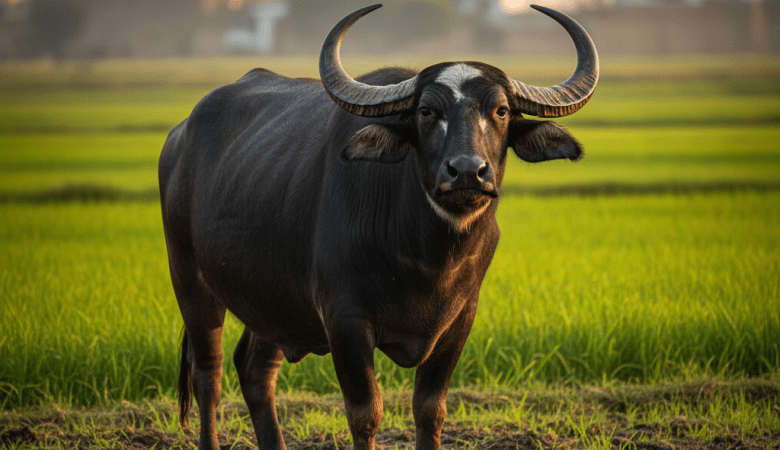
Mehsana Buffalo: Complete Guide by TabelaWala Cattle Farm

Introduction Mehsana Buffalo is one of the most popular dairy breeds in India, developed in Mehsana district, Gujarat. This hybrid breed is a cross between the Murrah and Surti buffaloes, combining the best traits of both. Known for its high milk yield, adaptability, and robustness, Mehsana buffalo is a preferred choice for dairy farmers. At TabelaWala, we specialize in buying, selling, and providing loans for cattle, including Mehsana buffaloes, helping farmers maximize productivity and income. Origin and History The Mehsana buffalo originated in Gujarat as an improvement over local Surti buffaloes. By carefully crossbreeding Murrah males with Surti females, breeders produced a buffalo with: High milk production Strong body structure Adaptability to Indian climates This breed quickly gained popularity in Gujarat, Rajasthan, Maharashtra, and other states due to its economic viability for dairy farming. Physical Characteristics Coat Color: Jet black is common, though some may have brown shades Horn Shape: Sickle-shaped, curving upward then downward Weight: Male: ~570 kg Female: ~430 kg Height: 145–155 cm at the withers Body Structure: Strong, muscular, medium-sized hump, well-developed udder Milk Production Mehsana buffaloes are famous for their high-quality milk, which has high fat content (5.2%–9.5%), making it ideal for dairy products like ghee and cheese. Average Milk Yield: 1,988 kg per lactation Range: 598–3,597 kg per lactation Lactation Period: 270–300 days The breed performs well under semi-intensive and intensive dairy systems. Proper nutrition and care can improve milk yield significantly. Feeding and Care Feeding Green fodder: Maize, sorghum, or hybrid grasses Dry fodder: Wheat straw, paddy straw Concentrates: Grains, oilcakes, and mineral supplements Care Tips Provide clean water at all times Maintain proper hygiene in the shed Regular vaccination and deworming Comfortable bedding and shelter from extreme heat/cold Proper management ensures higher milk production and healthy, disease-free buffaloes. Advantages of Mehsana Buffalo High milk yield with excellent fat content Strong adaptability to different climates Robust health and disease resistance Good temperament for handling Economic returns for small and large farmers Pricing of Mehsana Buffalo At TabelaWala, we provide high-quality Mehsana buffaloes at reasonable prices: Average Price: ₹75,000 – ₹1,00,000 (depending on age, lactation, and health) Factors Affecting Price: Milk production, breed purity, age, and reproductive status We also offer loan services for farmers, so acquiring high-yield buffaloes becomes easier and more affordable. TabelaWala Services for Farmers At TabelaWala, we are committed to helping farmers with: Cattle Purchase & Sale: High-quality Mehsana, Murrah, Surti, and other breeds Cattle Loan Services: Easy finance options for buying buffaloes Veterinary Assistance: Guidance on proper care and nutrition Our goal is to increase farmer productivity while ensuring the health and well-being of the cattle. FAQs What is the average milk yield of a Mehsana buffalo? Approximately 1,988 kg per lactation with 5.2–9.5% fat content. How much does a Mehsana buffalo cost? Prices range from ₹75,000 to ₹1,00,000 depending on age, health, and lactation status. Can TabelaWala provide loans for cattle purchase? Yes, we offer easy and quick cattle loan services for farmers. What is the ideal feeding for Mehsana buffalo? A mix of green fodder, dry fodder, and concentrates along with clean water and mineral supplements. Are Mehsana buffaloes suitable for all climates? Yes, they are highly adaptable but perform best under temperate to semi-arid climates. Approximately 1,988 kg per lactation with 5.2–9.5% fat content. Prices range from ₹75,000 to ₹1,00,000 depending on age, health, and lactation status. Yes, we offer easy and quick cattle loan services for farmers. A mix of green fodder, dry fodder, and concentrates along with clean water and mineral supplements. Yes, they are highly adaptable but perform best under temperate to semi-arid climates. 👉 Apply for a Cattle Loan. TabelaWala – White Gold Livestock Pvt. Ltd. — Empowering farmers, Please enable JavaScript in your browser to complete this form.Please enable JavaScript in your browser to complete this form. Name * FirstLast Mobile Number *Enter Your Number Submit
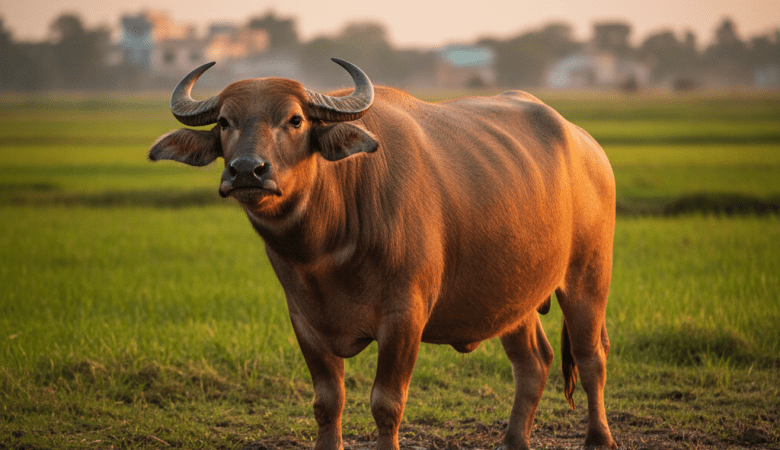
Bhadawari Buffalo: The Royal Dairy Breed

Introduction Bhadawari buffalo ek prestigious water buffalo breed hai, jo India ke Uttar Pradesh aur Madhya Pradesh regions mein payi jaati hai. Yeh breed apni high-quality milk production aur harsh climates mein adaptability ke liye famous hai. Iske milk ka fat content bahut high hota hai, jo ghee aur other dairy products ke liye ideal hai. Aaj ke modern dairy farming mein, Bhadawari buffalo ka apna importance hai. Tabelawala par, hum sirf buffalo sell aur purchase nahi karte, balki farmers ko unke buffalo purchase ke liye easy loan services bhi provide karte hain. Physical Characteristics of Bhadawari Buffalo Color: Reddish-brown coat with occasional darker shades on legs and face. Size: Medium to large; males around 500–600 kg, females slightly lighter. Horns: Short, tightly curved, and upward pointing. Body Structure: Compact, muscular, ideal for both milk production and draught work. Skin and Hair: Shiny, smooth coat which helps them tolerate heat efficiently. Milk Production Bhadawari buffaloes are highly valued for their milk: Average Milk Yield: 8–12 liters/day Fat Content: 6–8%, making it richer than many other buffalo breeds Lactation Period: 280–300 days per year Milk Uses: Suitable for ghee, paneer, butter, and direct consumption Tip: Regular feeding with green fodder and proper water supply increases milk yield significantly. Adaptability and Care Bhadawari buffaloes are hardy animals: Can thrive in semi-arid and high-temperature regions Resistant to common buffalo diseases Low maintenance compared to exotic breeds Requires proper shelter, clean water, and nutritious feed Feeding Guidelines: Green fodder: 25–30 kg/day Dry fodder: 2–3 kg/day Concentrates/grains: 1–2 kg/day for lactating buffaloes Breeding and Lifespan Sexual Maturity: 2–3 years Breeding Methods: Natural or Artificial Insemination (AI) Gestation Period: Approximately 310 days Lifespan: 15–18 years with proper care Note: Selecting healthy, genetically superior breeding stock ensures higher milk productivity and disease resistance. Economic Benefits Bhadawari buffaloes are a great investment for dairy farmers: Steady Milk Income: Daily milk sales generate a consistent revenue stream. High-Value Milk Products: Rich fat content makes the milk ideal for ghee and butter production. Buffalo Trading: Healthy Bhadawari buffaloes fetch premium prices in local and national markets. Loan Assistance: Farmers can expand their herd without upfront financial strain. Tabelawala’s Services Tabelawala ensures you get the best Bhadawari buffalo experience: Cattle Sales & Purchase: Hand-picked, healthy, and productive Bhadawari buffaloes Verified for breed purity and milk quality Loan Services for Farmers: Flexible financial support to buy buffaloes Easy EMI options tailored for small and medium farmers Quick approval process to minimize downtime Expert Guidance & Support: Nutrition, feeding, and housing advice Breeding and health care tips for maximum productivity Tips for Maximizing Bhadawari Buffalo Productivity Maintain clean water and feed troughs daily. Provide shelter from extreme sun and heavy rainfall. Regular vaccination and deworming. Ensure proper milking hygiene to prevent mastitis. Feed a balanced diet of green fodder, dry fodder, and concentrates. Frequently Asked Questions (FAQ) What is the average milk yield of a Bhadawari buffalo? 8–12 liters/day with high-fat content. Can I get a loan to buy buffalo from Tabelawala? Yes, Tabelawala offers tailored loan services to help farmers purchase buffaloes. How long do Bhadawari buffaloes live? With proper care, they live for 15–18 years. Are Bhadawari buffaloes suitable for semi-arid climates? Yes, they are highly adaptable and hardy, thriving in harsh climates. 8–12 liters/day with high-fat content. Yes, Tabelawala offers tailored loan services to help farmers purchase buffaloes. With proper care, they live for 15–18 years. Yes, they are highly adaptable and hardy, thriving in harsh climates. 👉 Apply for a Cattle Loan. TabelaWala – White Gold Livestock Pvt. Ltd. — Empowering farmers, Please enable JavaScript in your browser to complete this form.Please enable JavaScript in your browser to complete this form. Name * FirstLast Mobile Number *Enter Your Number Submit
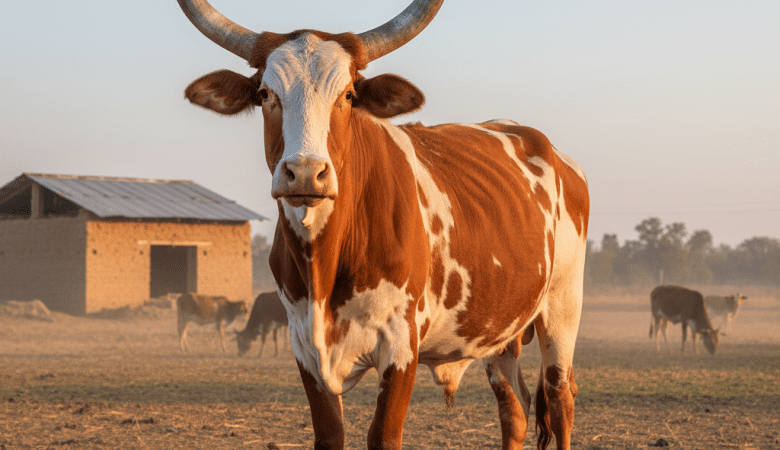
Rathi Cattle

Introduction India is home to some of the world’s finest indigenous cattle breeds, and among them, Rathi Cattle from Rajasthan holds a special place. Known for its strong build, adaptability to dry regions, and high-quality milk yield, Rathi is considered a farmer’s friendly cow. For those who are into dairy farming, choosing a Rathi cow can be a profitable and sustainable option. At Tabelawala, we are committed to supporting farmers by offering cattle buy & sell services, tabela facilities, and even cattle loan services to help them expand their dairy farming journey. Origin of Rathi Cattle Rathi cattle is an indigenous breed from Rajasthan, mainly found in Bikaner, Jaisalmer, Ganganagar, and Hanumangarh districts. It is believed to be a cross between Sahiwal and local cows of Rajasthan, which makes it a hardy and productive breed. Farmers prefer Rathi because it can easily adapt to the harsh climate of arid regions. Physical Characteristics of Rathi Cow Medium-sized body with reddish-brown or light brown coat (sometimes with white patches). Horns are short and curved, making them farmer-friendly. Large udder, which indicates high milk production capacity. Known for disease resistance and ability to thrive in tough conditions. Milk Production Capacity Average milk yield: 6–10 litres per day (some high-yielding cows can produce up to 12–15 litres). Fat percentage: 4.5% to 5%, which makes Rathi milk rich and highly demanded. Farmers prefer Rathi cows because their maintenance cost is low compared to exotic breeds like Jersey or HF. Benefits of Rathi Cattle for Farmers ✅ High-quality milk with good fat content✅ Easy to maintain and feed✅ Strong immunity and disease resistance✅ Suitable for Rajasthan’s hot and dry climate✅ Profitable for small and medium-scale dairy farmers Rathi Cattle Price in India The price of Rathi cattle depends on age, milk capacity, and health condition. On average, a good milking Rathi cow can cost anywhere between ₹45,000 to ₹80,000 in India. How Tabelawala Helps Farmers At Tabelawala, we provide: 🐄 Cattle Buy & Sell Services – Genuine Rathi cows, Sahiwal, Gir, HF, Jersey, and other breeds available. 🏡 Tabela Facility – Proper housing and care for cattle. 💰 Cattle Loan Services – Financial help for farmers to purchase high-yielding cows and expand their dairy farming. We believe in supporting farmers with the right cattle and the right finance, so that dairy farming becomes a sustainable source of income. Frequently Asked Questions About Rathi Cattle What is Rathi cattle known for? Rathi cattle are famous for their adaptability to Rajasthan’s hot climate, disease resistance, and good milk yield with high fat content. How much milk does a Rathi cow produce daily? On average, a Rathi cow gives 6–10 litres per day, while high-yielding cows can produce up to 12–15 litres. What is the fat percentage of Rathi cow milk? Rathi milk contains 4.5% to 5% fat, making it rich, creamy, and highly demanded in the dairy industry. What is the average price of Rathi cattle in India? The price of a healthy Rathi cow ranges from ₹45,000 to ₹80,000, depending on age, health, and milk capacity. Why should farmers choose Rathi cattle? Rathi cows are low-maintenance, disease-resistant, and profitable for dairy farmers due to their high-quality milk and adaptability. How can Tabelawala help farmers with Rathi cattle? Tabelawala provides cattle buy & sell services, tabela facilities, and cattle loan services to support farmers in dairy farming. Rathi cattle are famous for their adaptability to Rajasthan’s hot climate, disease resistance, and good milk yield with high fat content. On average, a Rathi cow gives 6–10 litres per day, while high-yielding cows can produce up to 12–15 litres. Rathi milk contains 4.5% to 5% fat, making it rich, creamy, and highly demanded in the dairy industry. The price of a healthy Rathi cow ranges from ₹45,000 to ₹80,000, depending on age, health, and milk capacity. Rathi cows are low-maintenance, disease-resistant, and profitable for dairy farmers due to their high-quality milk and adaptability. Tabelawala provides cattle buy & sell services, tabela facilities, and cattle loan services to support farmers in dairy farming. 👉 Apply for a Cattle Loan. TabelaWala – White Gold Livestock Pvt. Ltd. — Empowering farmers, Please enable JavaScript in your browser to complete this form.Please enable JavaScript in your browser to complete this form. Name * FirstLast Mobile Number *Enter Your Number Submit

Friendly-support-icon
0 Lakh+

App Downloads 

happy-clients-icon
0 +

Advisor’s Team 

Features Img
0 Cr+

Social Media Reach

quality
0 %

Happy Customers

NEWS LETTER

Subscribe To Our Newsletter

Welcome to TabelaWala, brand name of White Gold Livestock Private Limited, the ultimate marketplace for dairy farmers looking to buy or sell cows and buffaloes online as well as offline.

+91 830 570 6703

Got Questions? Call us 24/7

Working Hours

Monday – Saturday

10:00 pm – 05:45 pm

Contact Us

Address:

Machalpur Khurd, Tehsil Barwaha, District Khargone, M.P. India 451225

Email:

contact@tabelawala.com info@tabelawala.in

TabelaWala
Privacy Overview

This website uses cookies so that we can provide you with the best user experience possible. Cookie information is stored in your browser and performs functions such as recognising you when you return to our website and helping our team to understand which sections of the website you find most interesting and useful.